July 19-26, 2026 - AirVenture 2026
Miscellaneous
|
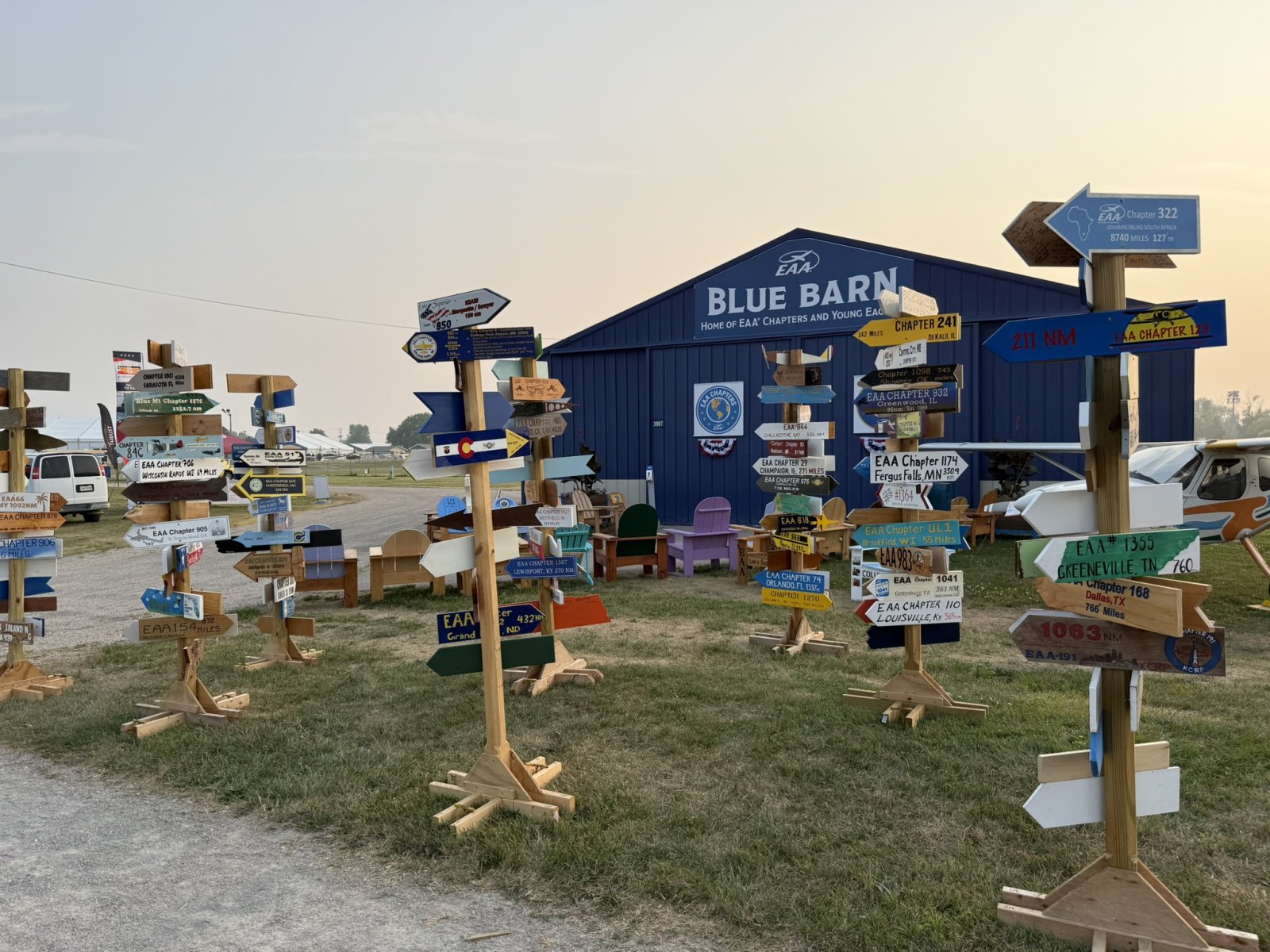
| The EAA Blue Barn. I walked by it numerous times and never went in for some reason. It is essentially EAA's headquarters for its local chapters and the Young Eagles program during AirVenture. It's also a place for EAA members to meet, learn, and exchange ideas. |
| |
 |
|
|
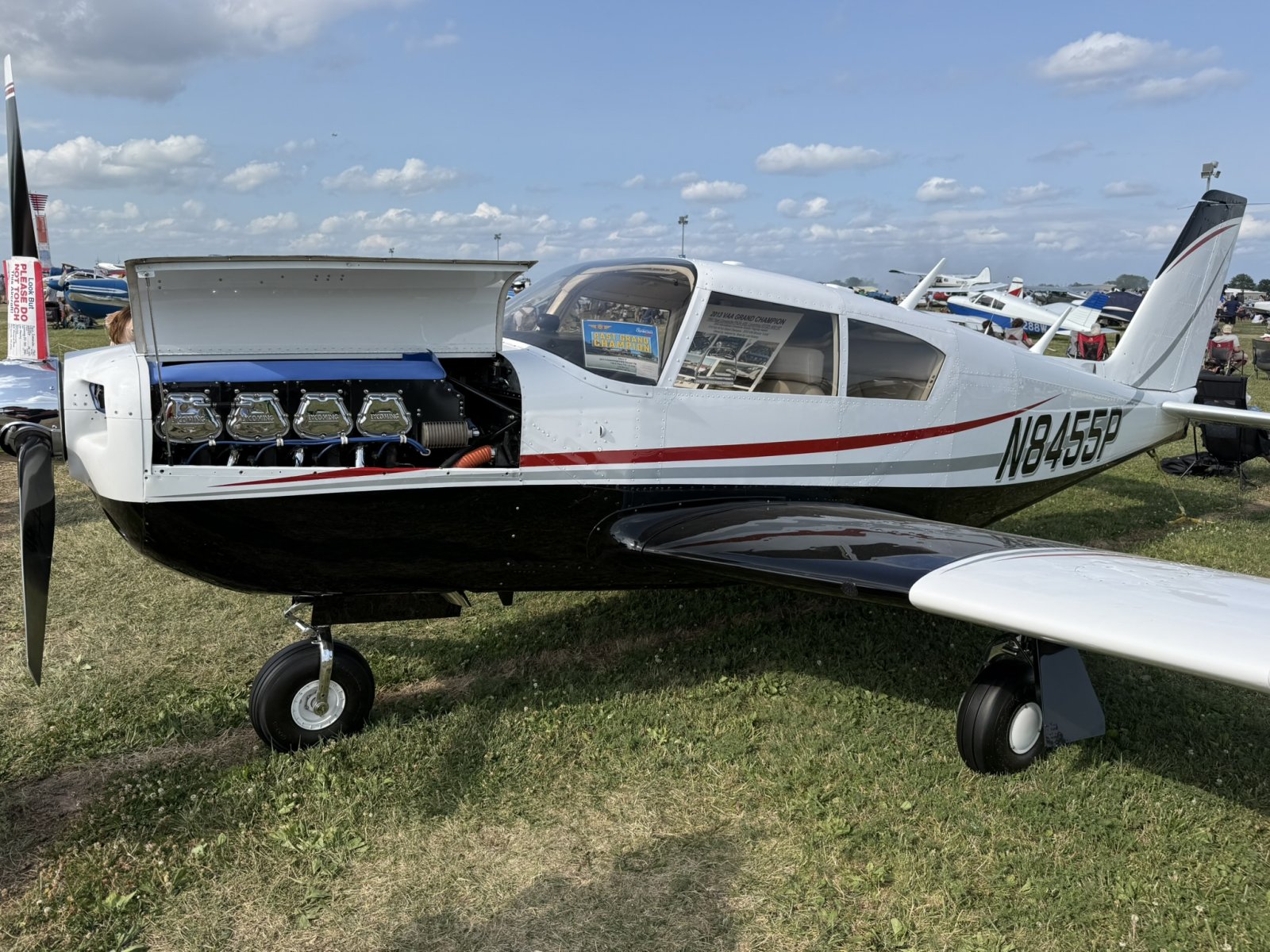
A Commanche with an eight cylinder engine!
|
| |
 |
|
| As I walked through the vendor buildings, I saw this booth for "Best Hummingbird Feeder Ever!" Every AirVenture I usually have an "impulse buy" and this was it maybe five years ago. Lynnette hangs it out on the deck. I've seen a grand total of one hummingbird using it in five years. I was tempted to top and give the vendor a little what for. |
| |
 |
|
|
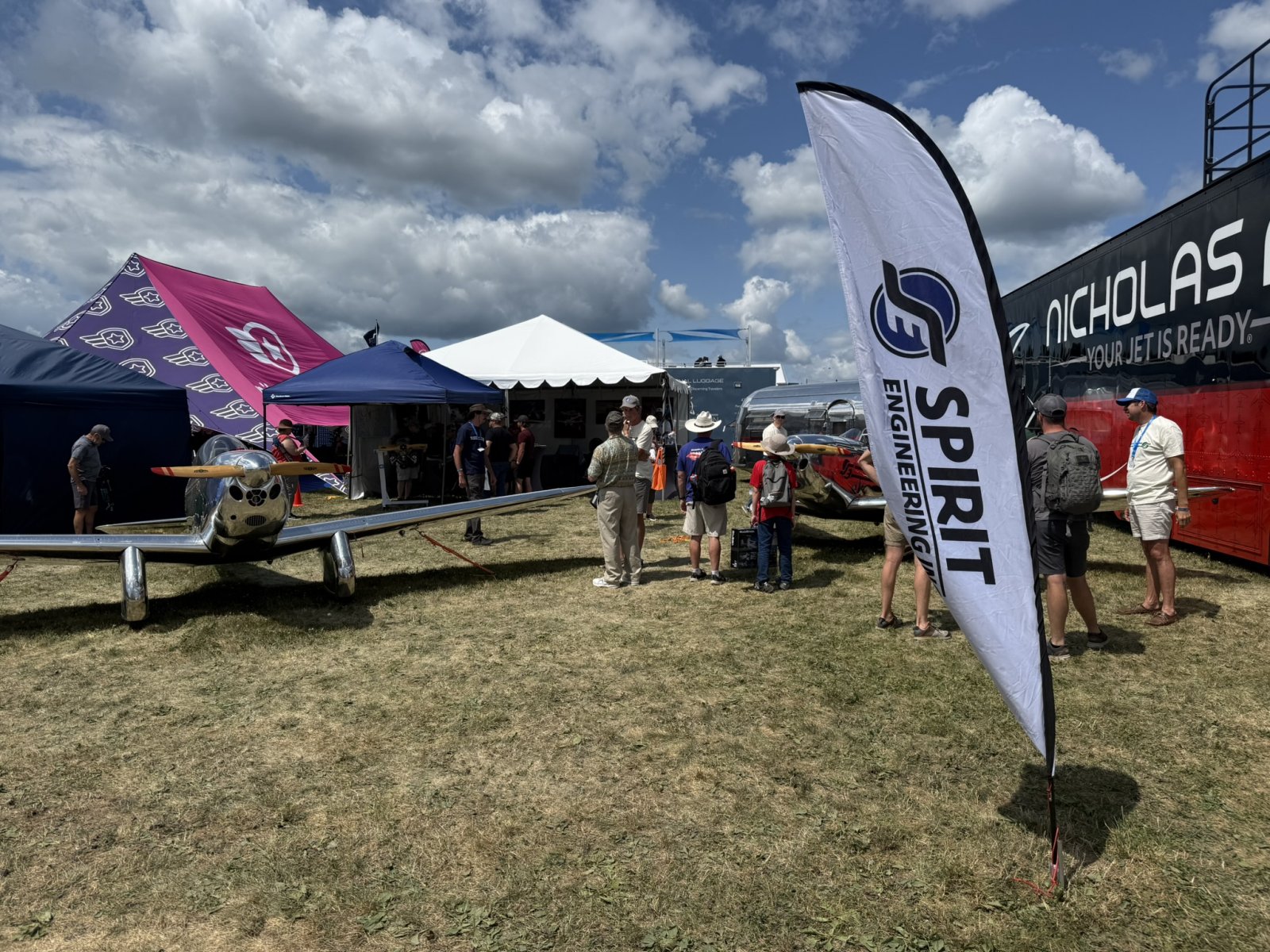
This little single-seat plane only weighs 440 pounds. Gross weight is 740 pounds. It cruises at 112 mph and climbs at 750 fpm. It only carries eight gallons of gas but Spirit Engineering claims it only burns two gallons per hour. Spirit Engineering designed and manufactured the Spirit V2 aircraft engine themselves! The Spirit V2 is a normally-aspirated, two-cylinder, four-stroke, inverted “V”, air-cooled, direct-drive aircraft engine featuring a dry sump lubrication system, and a magnetic discharge ignition. The wings fold! Amazing. The Spirit SE-1 is a Special Light-Sport Aircraft (SLSA) sold ready to fly. The SE-1 is not sold as a kit. Price starts at $69,500. Built in Grand Junction, Colorado.
|
| |
 |
|
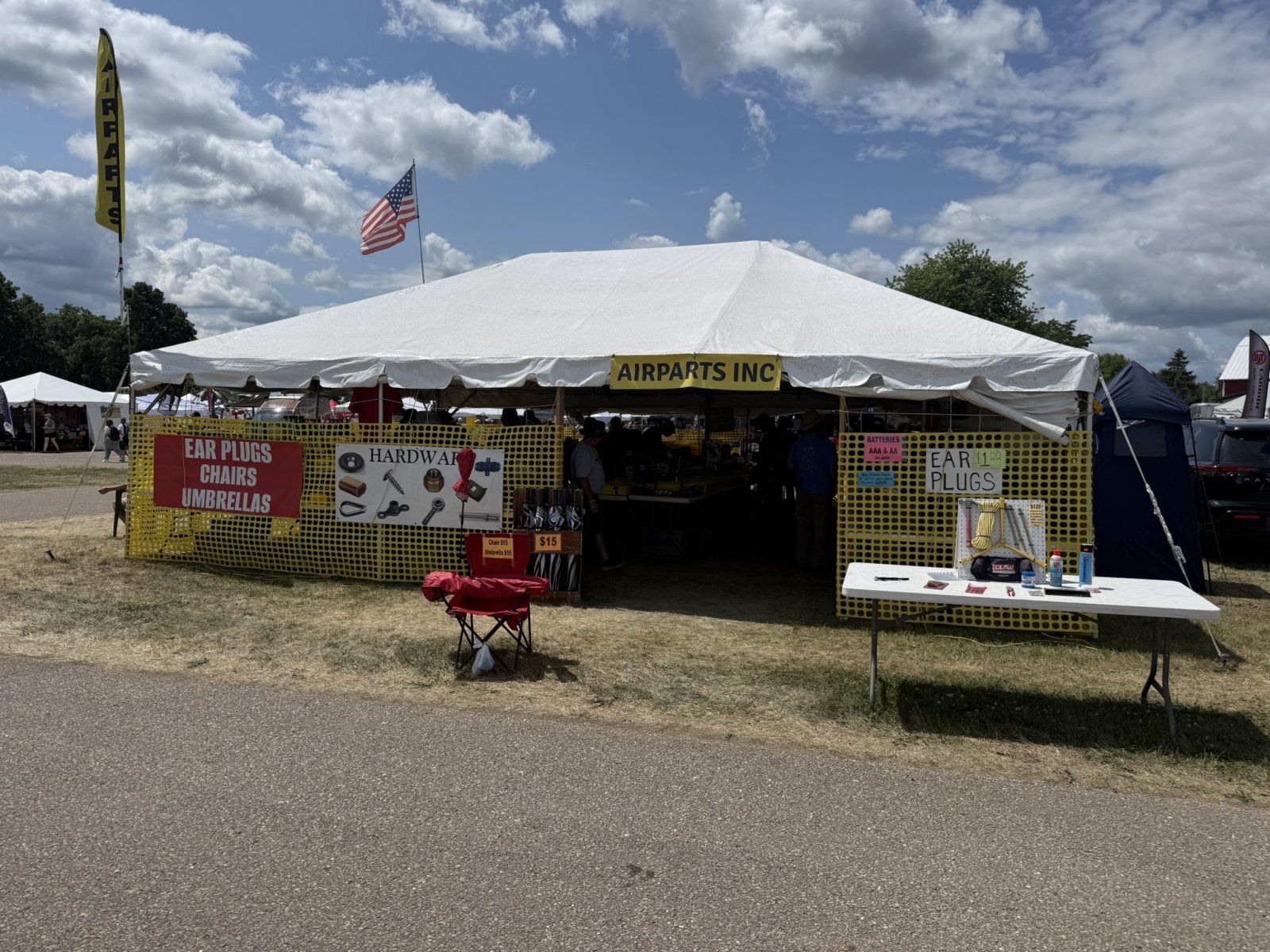
| Get your aviation hardware here! At AirVenture I always stop here and top off on some bolts, nuts, washers and miscellaneous hardware. This year I also bought some sturdy tent stakes. The ones that came with the new tent I'm using were slightly stronger than tooth picks. Now my tent will be secure. |
| |
 |
|
|
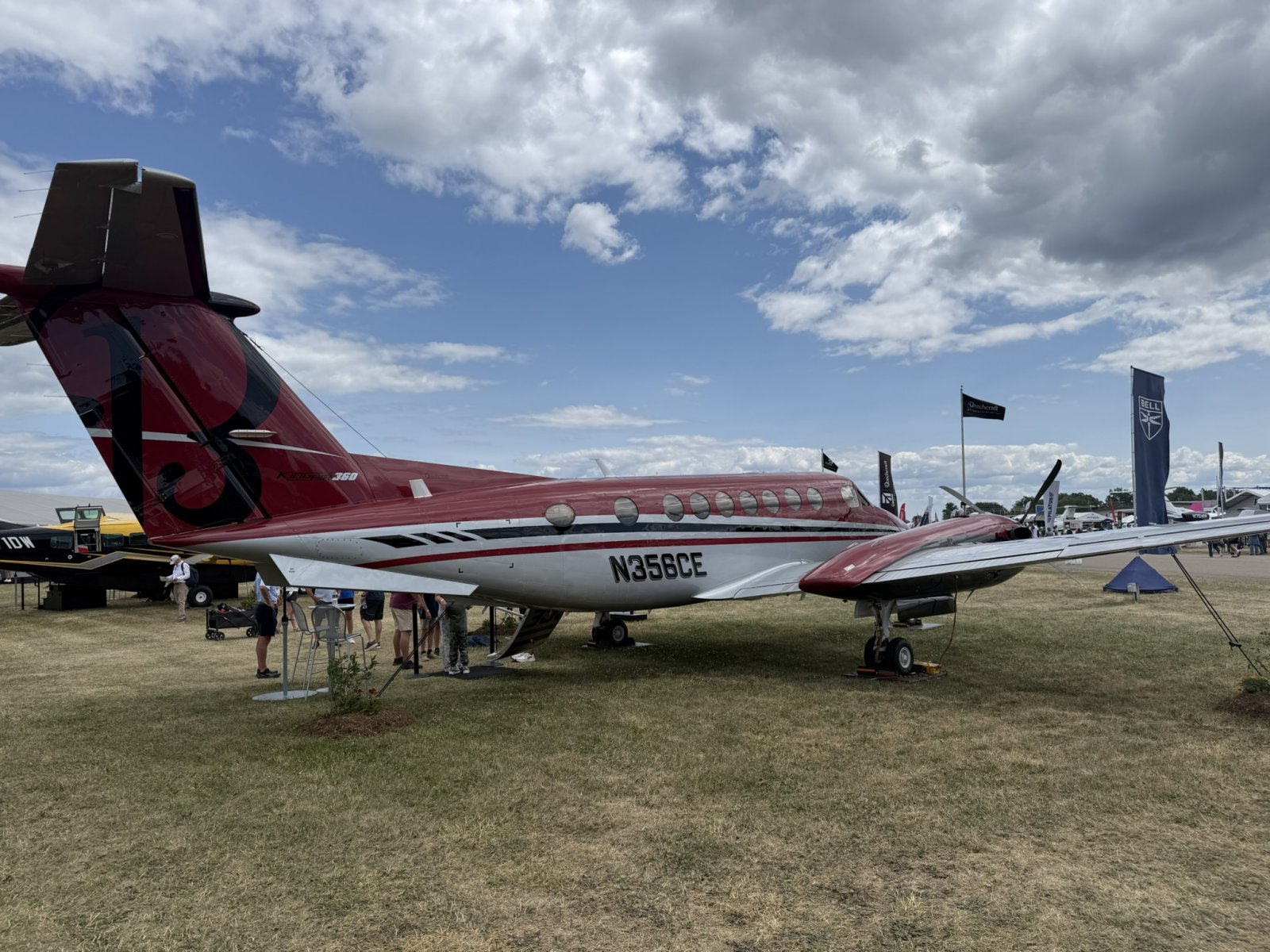
After more than 60 years, the Beechcraft King Air is still being built. This is the Beechcraft Super King Air 360.
The Beechcraft King Air is one of the great success stories in general aviation. It is essentially the airplane that established the modern business turboprop category.
Beechcraft introduced the first King Air 90 in 1964. The idea was clever: take the proven Queen Air airframe and replace its piston engines with the new Pratt & Whitney Canada PT6A turboprops. The result was a pressurized airplane that could fly substantially higher and faster than piston twins while retaining the ability to use relatively small airports. It turned out to be an extraordinarily good formula.
The original Model 90 carried roughly 6–8 people, cruised around 270 mph, and had a ceiling of about 27,400 feet. Beech immediately had a winner: orders came pouring in and production rapidly expanded.
In 1972, Beech introduced the King Air 200. This was a considerably larger and more capable airplane, with T-tail, two 850-shp PT6A-41s, larger cabin, much greater payload, better high-altitude performance and excellent short-field capability
The T-tail was particularly significant because it put the horizontal stabilizer above the wing's disturbed airflow. That basic configuration became the signature of the larger King Airs.
The magic of the King Air is that it occupies a very useful middle ground: Piston twin → King Air → light jet. A King Air gives you pressurization, turbine reliability, excellent range, high-altitude capability, a relatively large cabin, ability to operate from comparatively short runways, two engines and excellent payload flexibility. That's why King Airs became ubiquitous with corporations, charter operators, air ambulances, military organizations, government agencies and special-mission operators. The U.S. military and numerous foreign militaries also adopted various King Air derivatives. I flew as a passenger in a U.S. Navy King Air once.
More than 7,000 King Airs have been delivered.
|
| |
 |
|
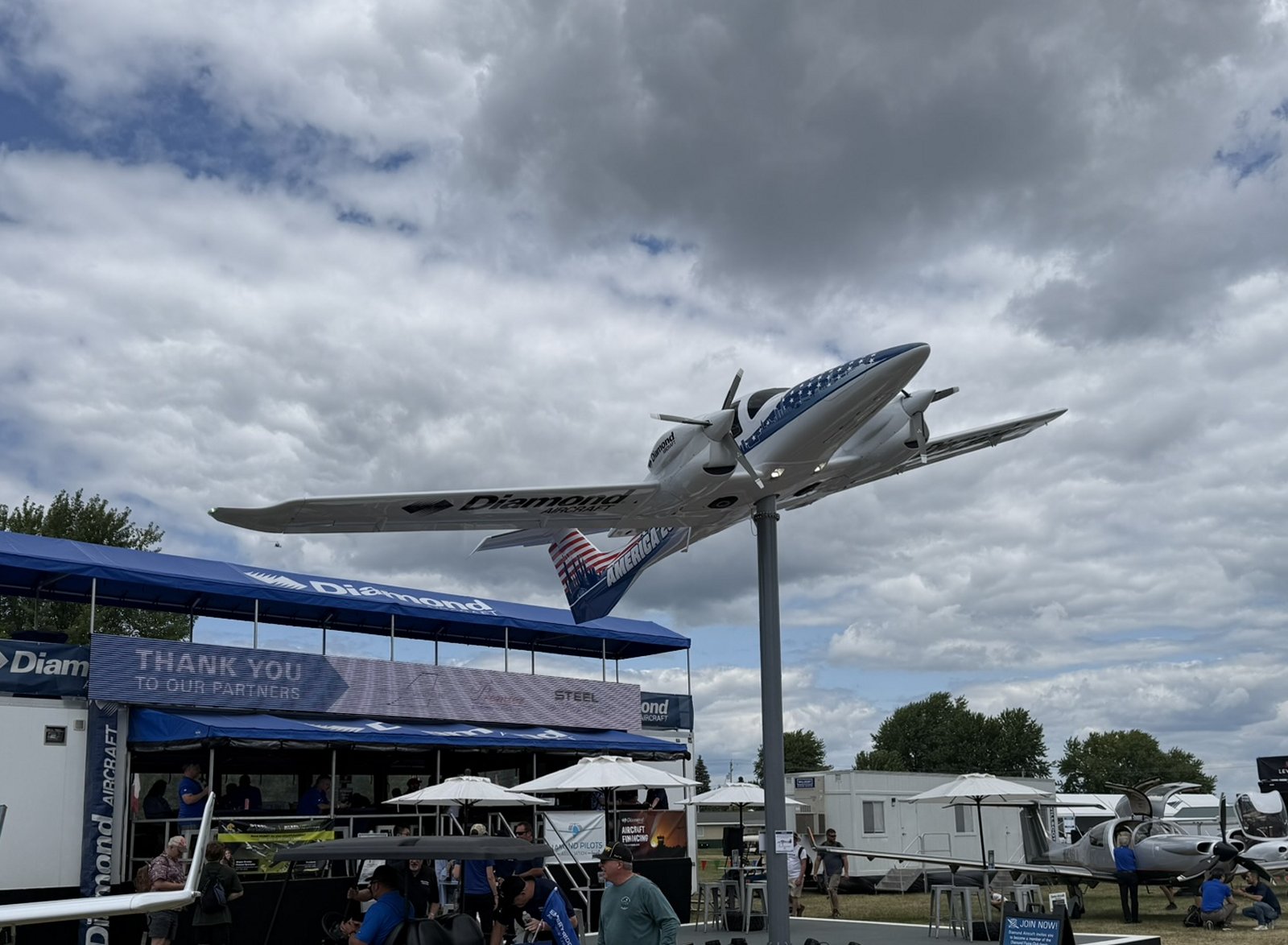
| The very sleek twin Diamond. |
| |
 |
|
|
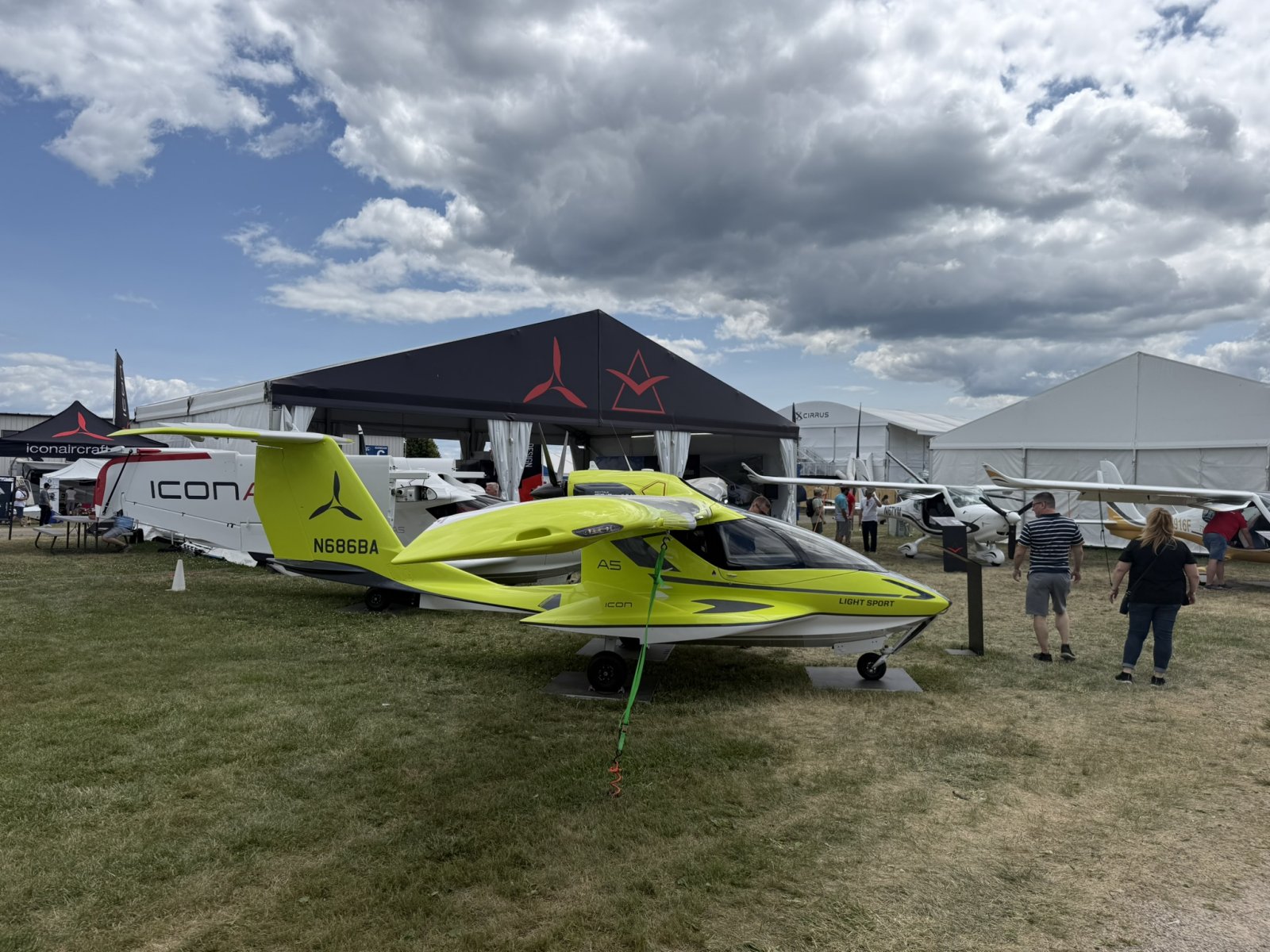
Surprisingly the Icon A5 is still hanging around. The A5 has not sold anything close to the thousands originally envisioned. The available production figures indicate roughly 220 A5s had been built by the end of 2025.
|
| |
 |
|
|
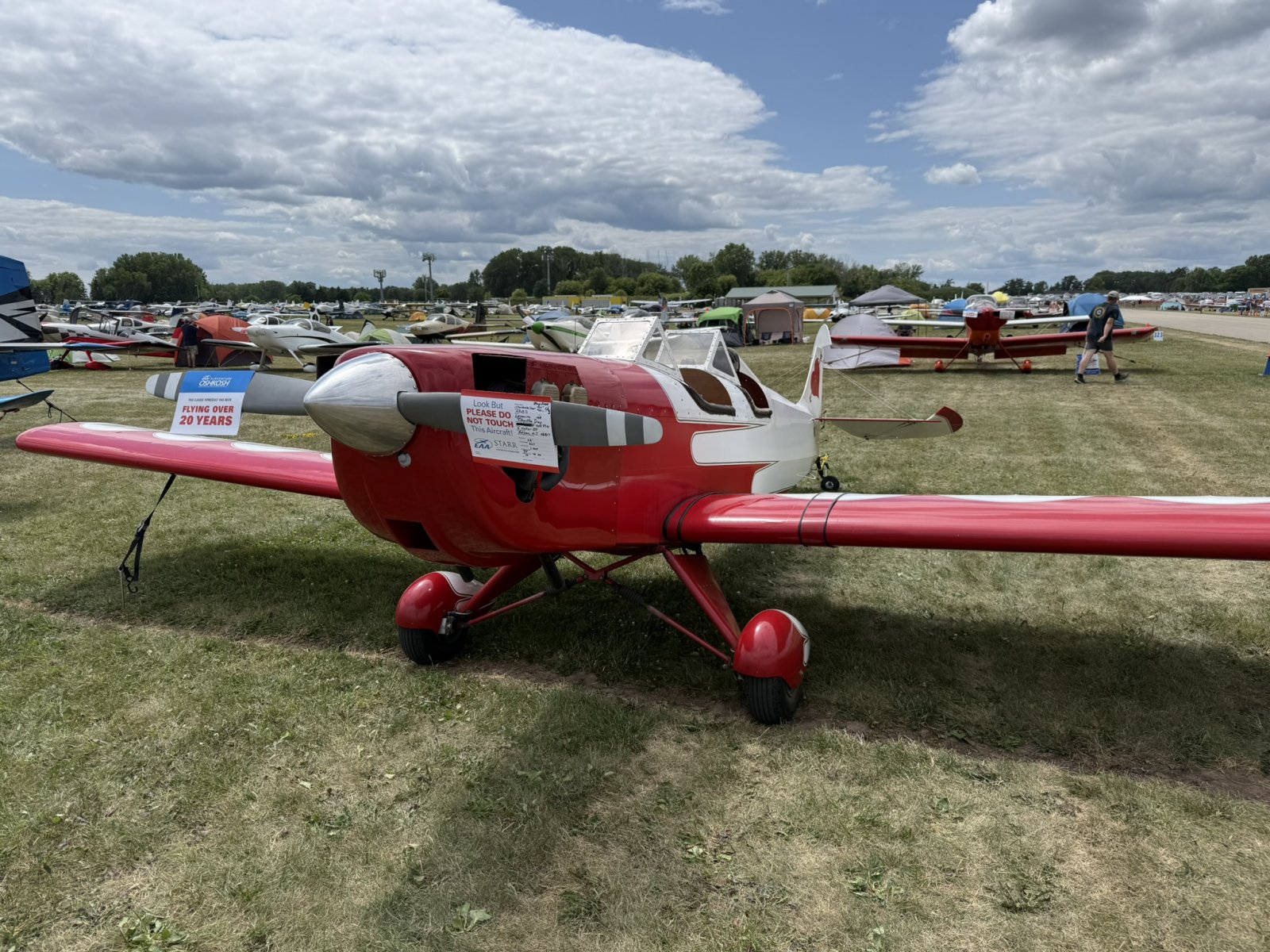
A 1999 Warner Revolution II that flew all the way from Monterey, California!
The Revolution II was designed by Warner Aerocraft of Seminole, Florida, and was sold as both plans and a kit. It was also marketed as the Spacewalker II. It evolved from the single-seat Revolution I/Spacewalker I. The construction is a combination of wood and welded steel tubing, covered with aircraft fabric. Only about 30 were registered at one time, and EAA's records show it as an old kit/plans design rather than an actively supported mainstream kit today.
|
| |
 |
|
|
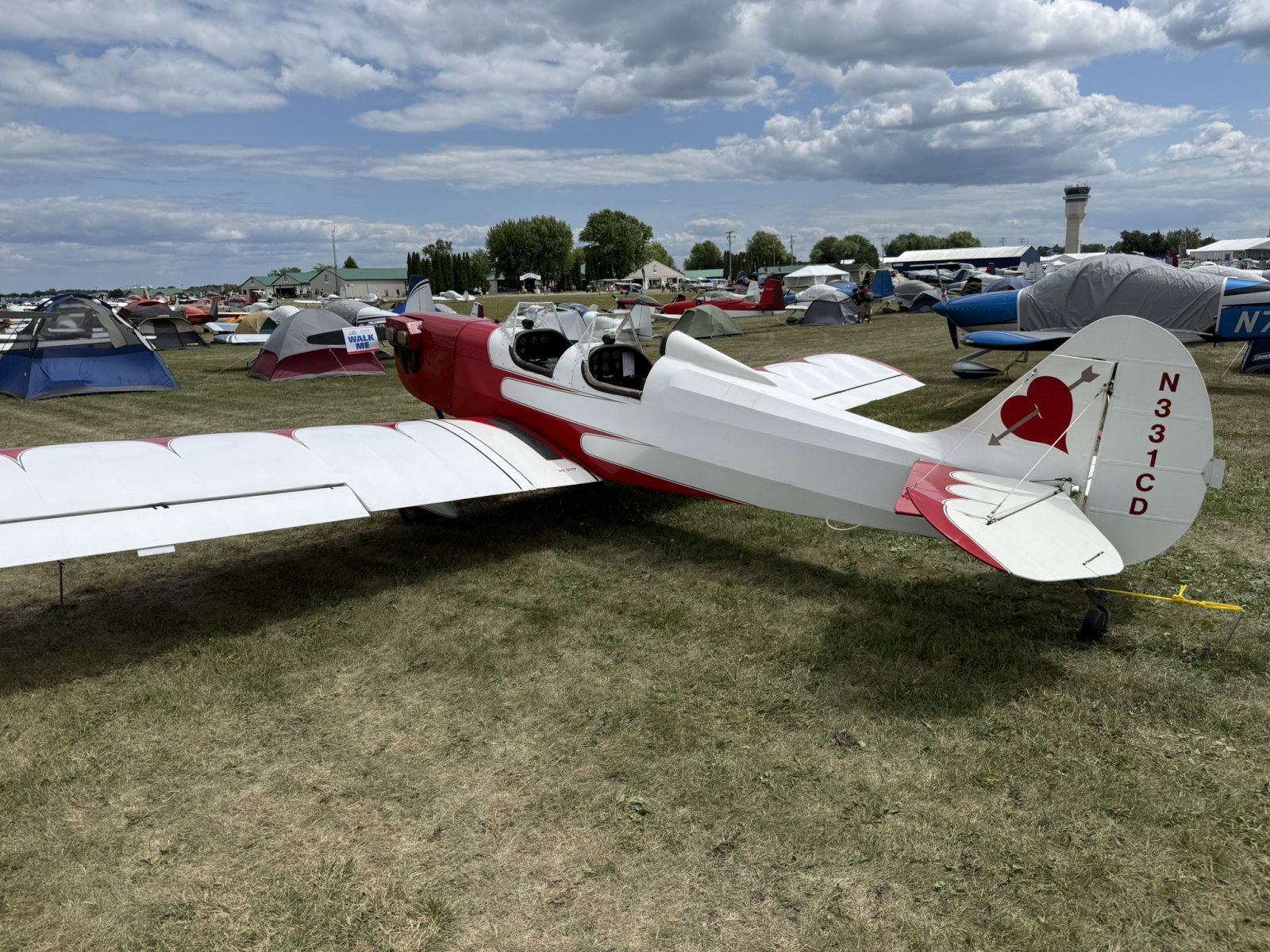
I like the paint job on this airplane.
|
| |
 |
|
|
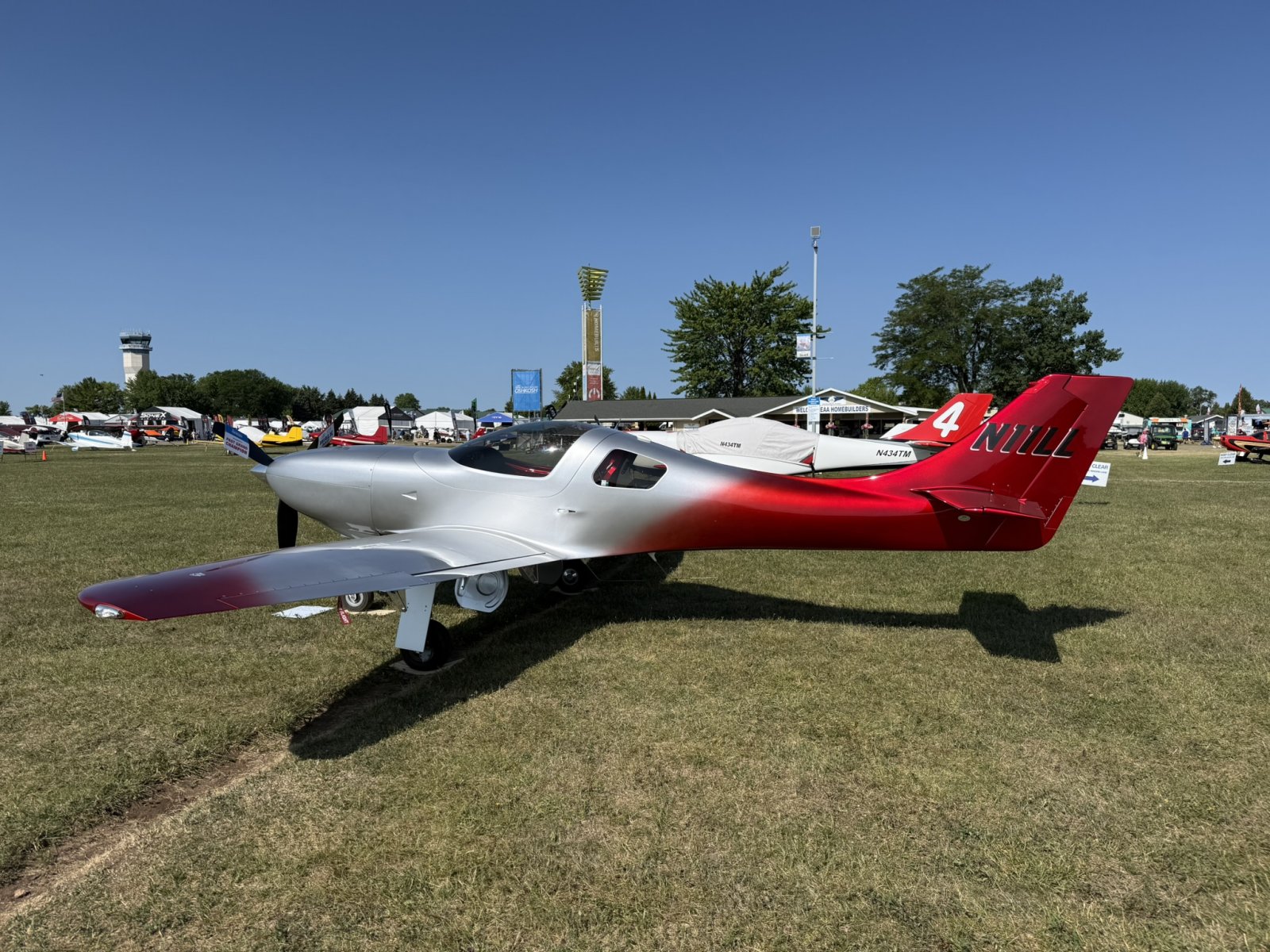
This ultra sleek Lancair Legacy 2000 with spectacular paint job flew in from Durango, Colorado. It's a two-seat, side-by-side, very fast cross-country airplane. The Legacy's structure is a sophisticated composite sandwich construction, using fiberglass/carbon-fiber components and honeycomb/Nomex cores. The 310-hp IO-550 burns roughly 13.5–15 gph: ouch! The Legacy was introduced at EAA AirVenture Oshkosh in 1999.
With the 310-hp Continental IO-550, Lancair published: 276 mph cruise, about 1,150 statute-mile range and 2,000 fpm climb at gross weight. It's got my RV-7 beat there, for sure!
|
| |
 |
|
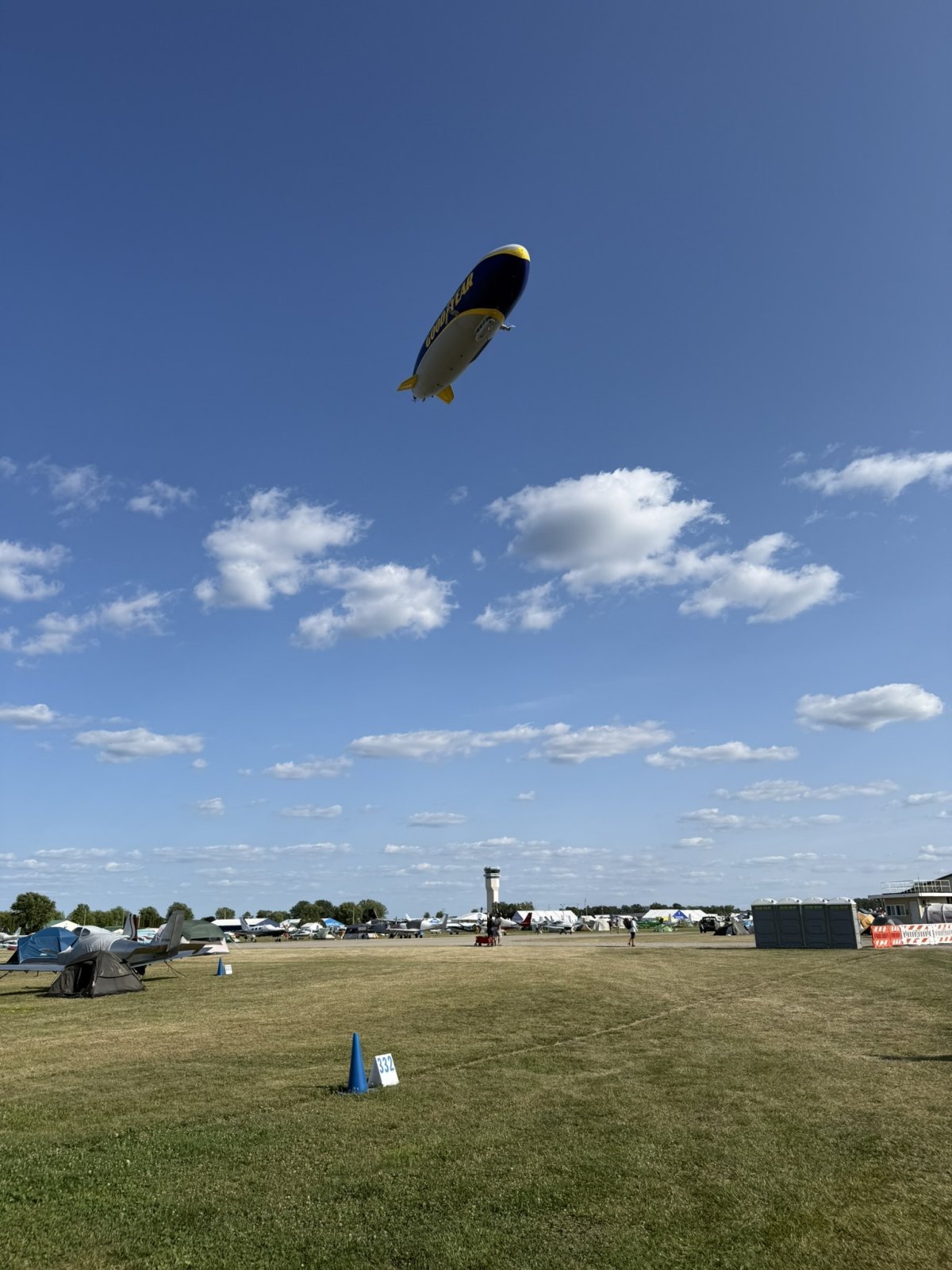
| The Goodyear Blimp passes overhead AirVenture. |
| |
 |
|
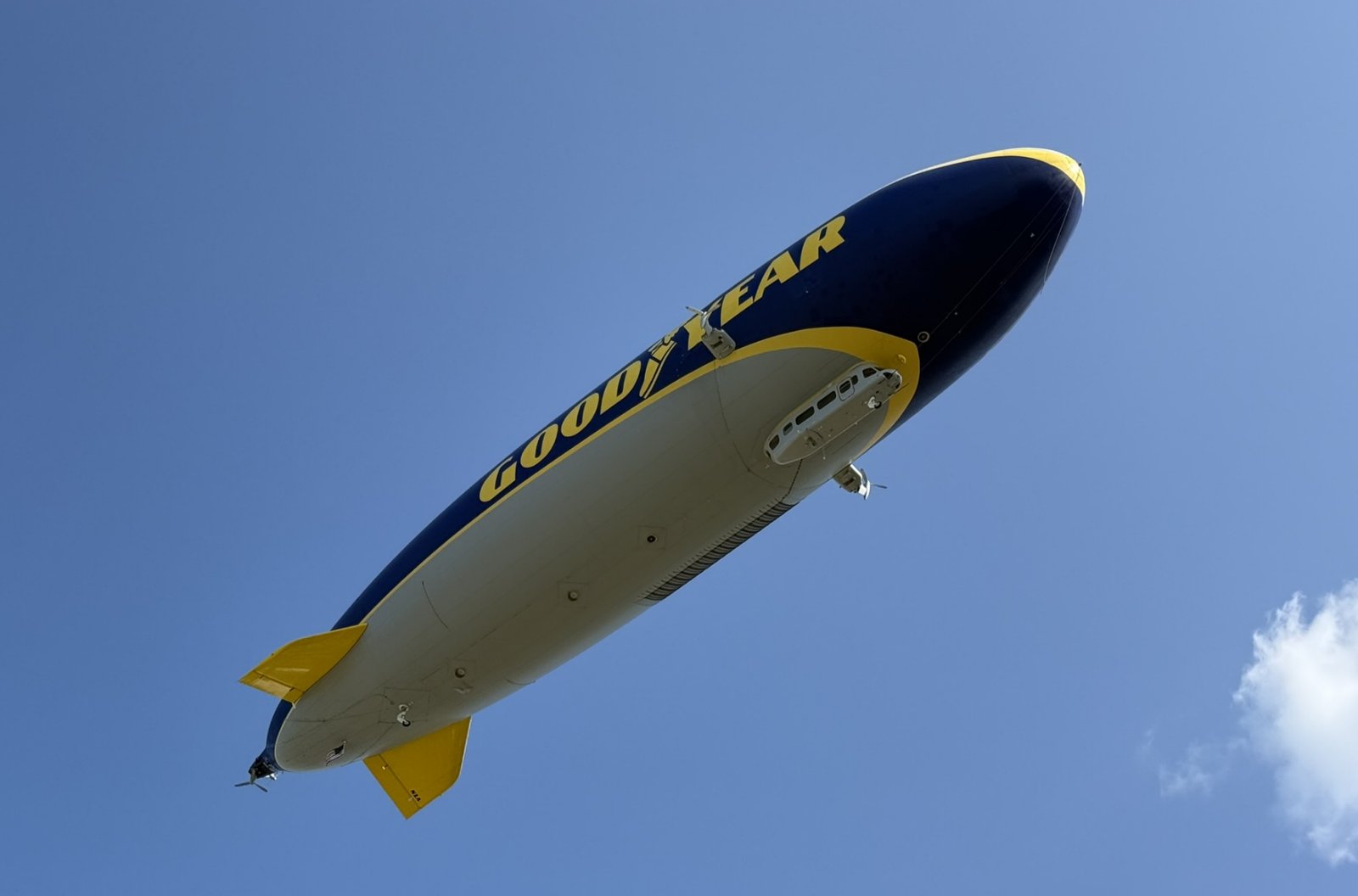
| Close-up. The aircrew has the best view in the house. |
| |
 |
|
|
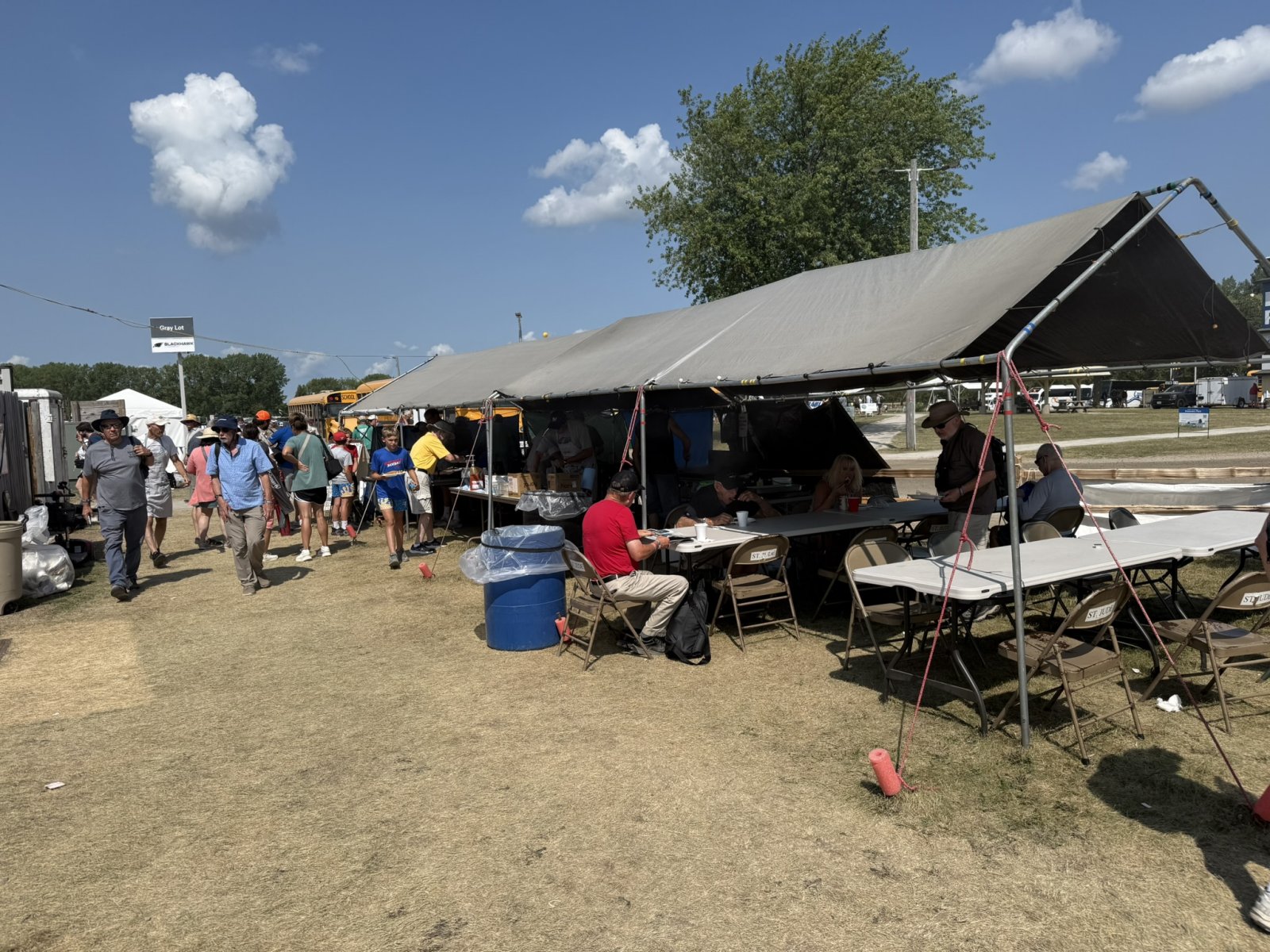
Best deal at AirVenture. Right by the bus area, near the main entrance to AirVenture, St. Jude's runs a breakfast place. I discovered it coming back from the museum. Good breakfast for less than $10! Half that of anything you'll find inside the show, or most other breakfast places. Recommended.
|
| |
 |
|
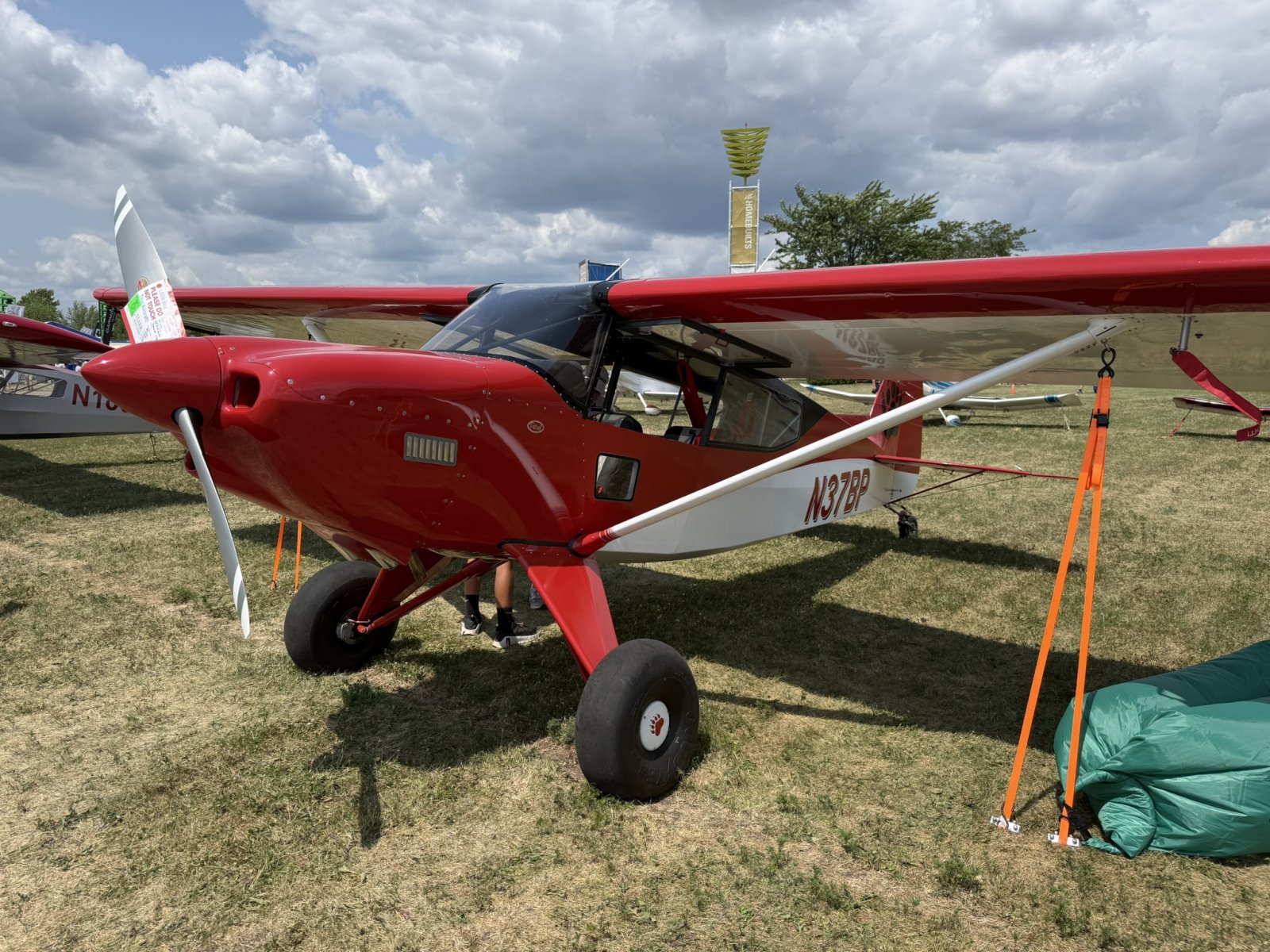
| Recently built Bearhawk Patrol. The Bearhawk Patrol takes the basic Piper Super Cub idea—tandem seats, high wing, tailwheel, big flaps and excellent STOL performance—and makes it considerably faster and more capable for cross-country flying. The Patrol was designed by Bob Barrows, whose original Bearhawk was a four-seat airplane. Barrows developed the Patrol because he wanted something that retained the Bearhawk's ruggedness and STOL capability but was smaller and better suited to two people and long-distance flying. The first Patrol flew in the early 2000s. It's a clean-sheet design that is normally built around an O-360 engine. It has a very broad operating envelope, with a 36-mph stall speed but a 148-mph cruise speed! You build it from a kit. |
| |
 |
|
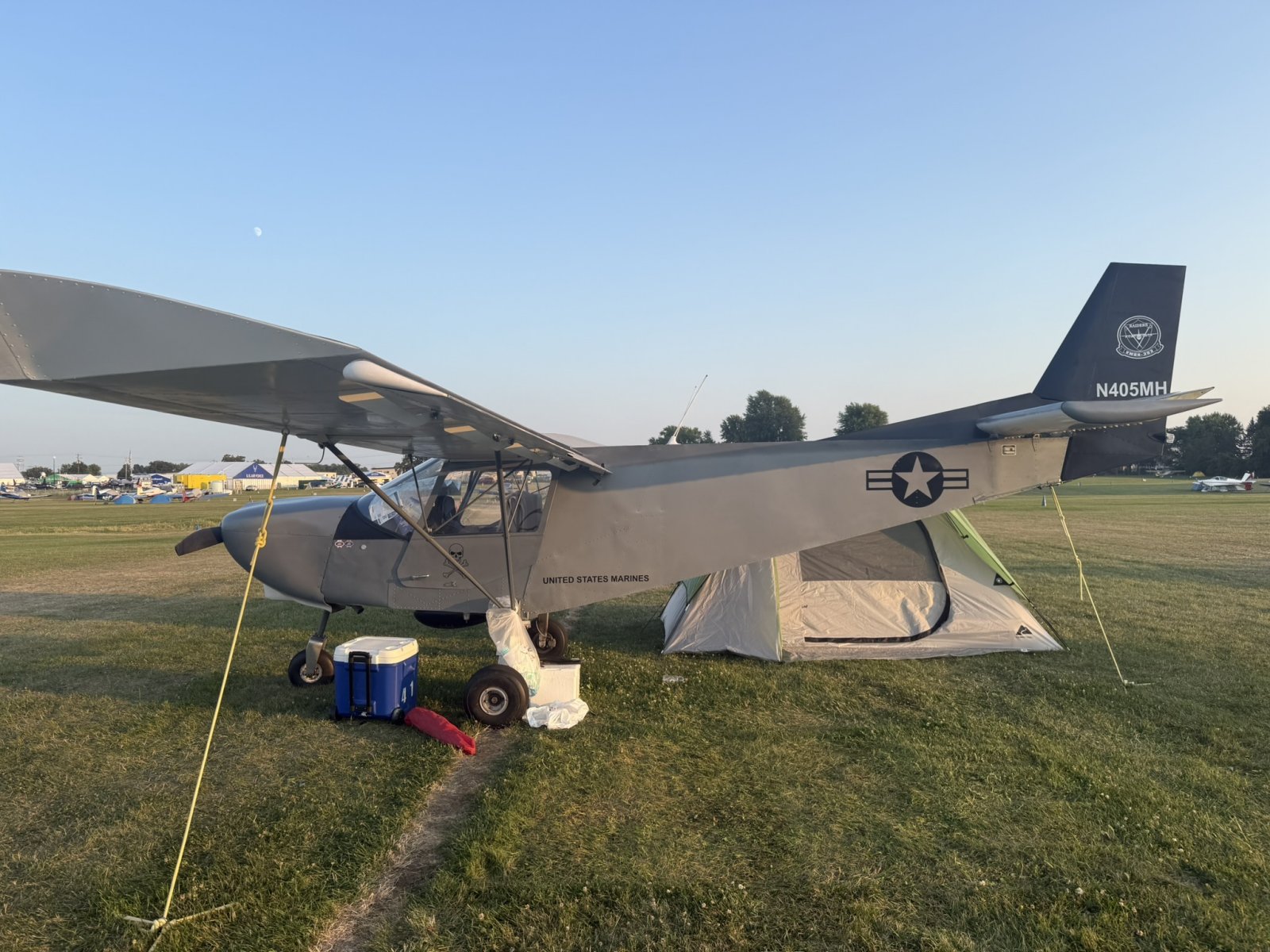
A Zenith STOL CH 801 in military garb. The Zenith STOL CH 801 is a four-seat sport STOL aircraft developed by Chris Heintz and available in kit form from the Zenith Aircraft Company. It's an all-metal bush airplane designed around extreme short-field capability and useful load, rather than speed. |
| |
 |
|
|
I'd like to see one of my grandsons go to Embry-Riddle Aeronautical University down in Daytona, Florida and become a professional pilot.
The story of Embry-Riddle begins in 1925, when aviation pioneer John Paul Riddle met Cincinnati businessman T. Higbee Embry. They formed the Embry-Riddle Company at Lunken Field in Cincinnati, Ohio, and opened the Embry-Riddle Flying School in 1926.
The original company effectively disappeared but John Paul Riddle revived the Embry-Riddle name in Florida in 1939, establishing a seaplane base and flight-training operation in Miami. That is the direct ancestor of today's university.
During WWII, the organization became a major military pilot-training institution, training pilots for the rapidly expanding U.S. military aviation system. That experience established the school's reputation for producing professional pilots and aviation personnel.
After the war, Embry-Riddle increasingly evolved from a flight school into a college-level aviation institution, eventually adding engineering, business, aviation safety, air-traffic management and other aerospace disciplines.
The Florida operation eventually moved from Miami to Daytona Beach in 1965. That became the university's flagship residential campus. The second major residential campus came in Prescott, Arizona, in 1978.
ERAU currently reports approximately 32,000 students annually, more than 100 degree programs, and more than 165,000 alumni.
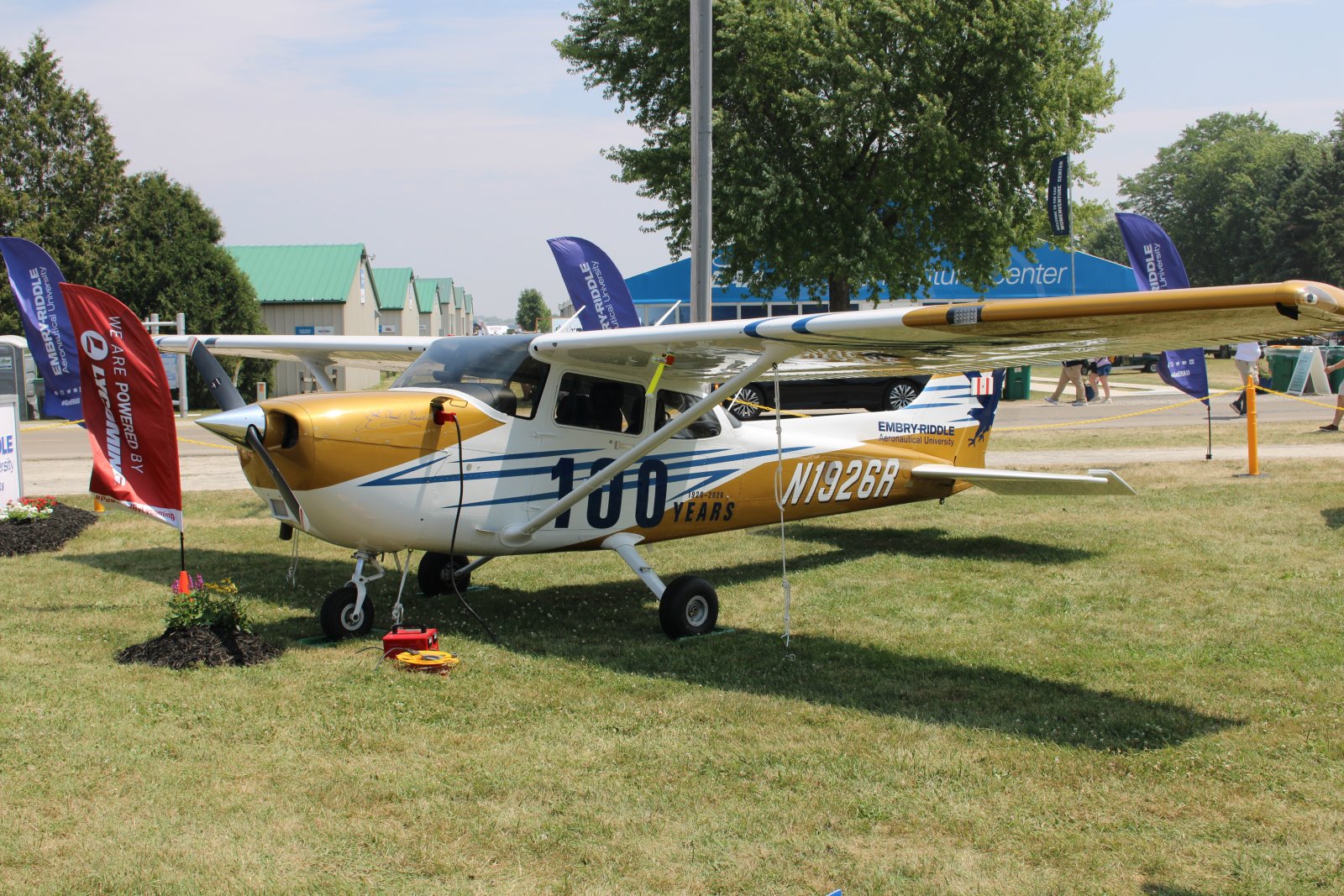
Students at Daytona Beach and Prescott learn to fly as part of their degree programs, with Cessna 172s forming the basic trainer fleet. In fact, ERAU's 2026 centennial Cessna 172, N1926R, pictured below, was specifically created to commemorate that tradition.
|
| |
 |
|
|
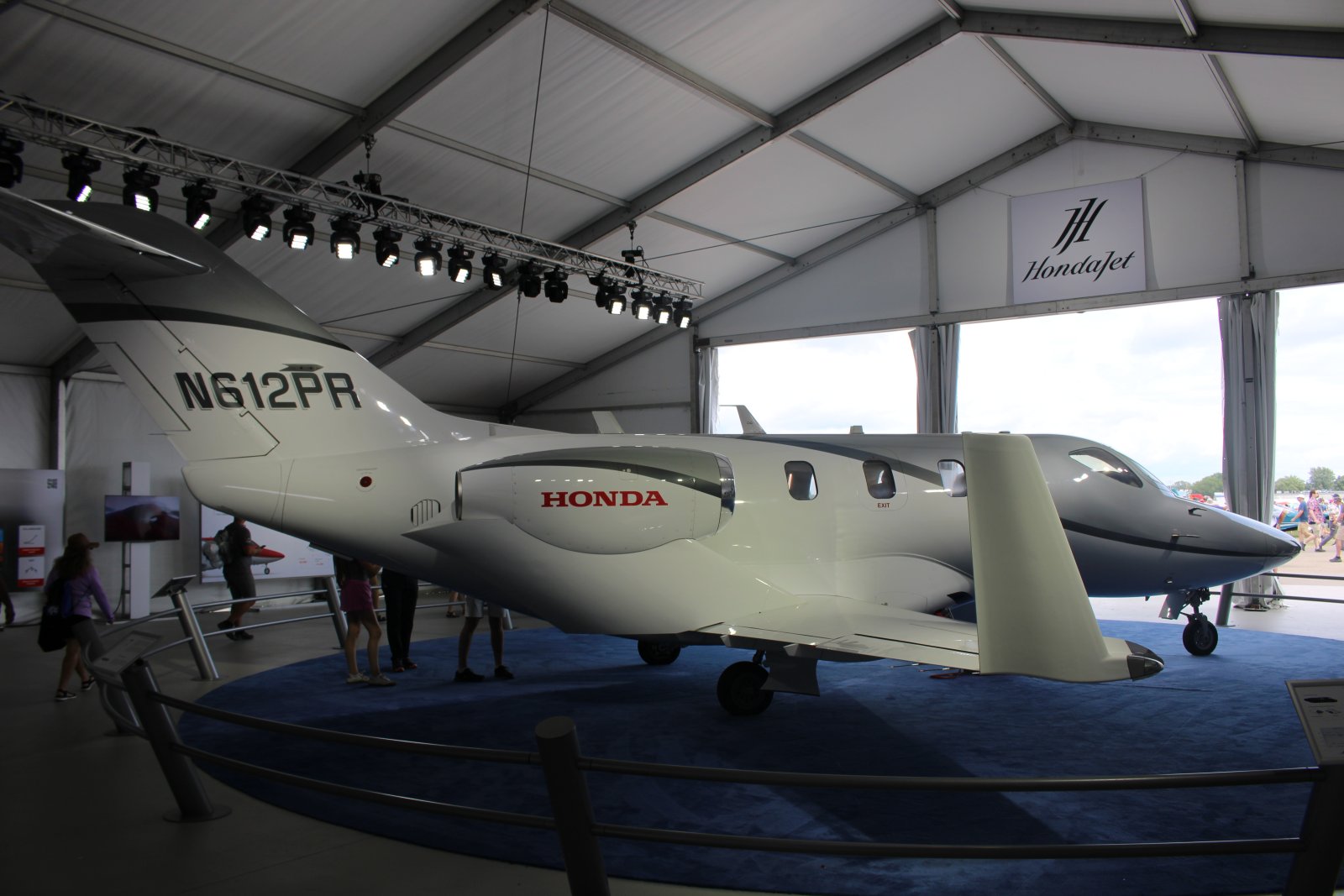
Nice!
It's hard to tell from this picture, but the engines are mounted on pylons above the wings, rather than on the rear fuselage.
Honda's aviation work began as research into advanced aircraft technology, rather than as an immediate commercial-aircraft program. Honda engineer Michimasa Fujino and his team developed and tested the concept for years before Honda decided to turn it into a production airplane.
Honda Aircraft Company was established in 2006, with its headquarters and manufacturing operation in Greensboro, North Carolina.
The airplane was eventually designated the HA-420 HondaJet. The FAA finally granted the HondaJet its type certificate on December 8, 2015, and the first customer deliveries followed later that month. So it took roughly 20 years from Honda's initial aviation research to a certified production airplane. The engine is the GE Honda Aero HF120, developed jointly by Honda and GE. Each engine produces approximately 2,050 pounds of thrust in the current configuration. As of December 2025, Honda said it had delivered more than 260 HondaJets.
|
| |
 |
|
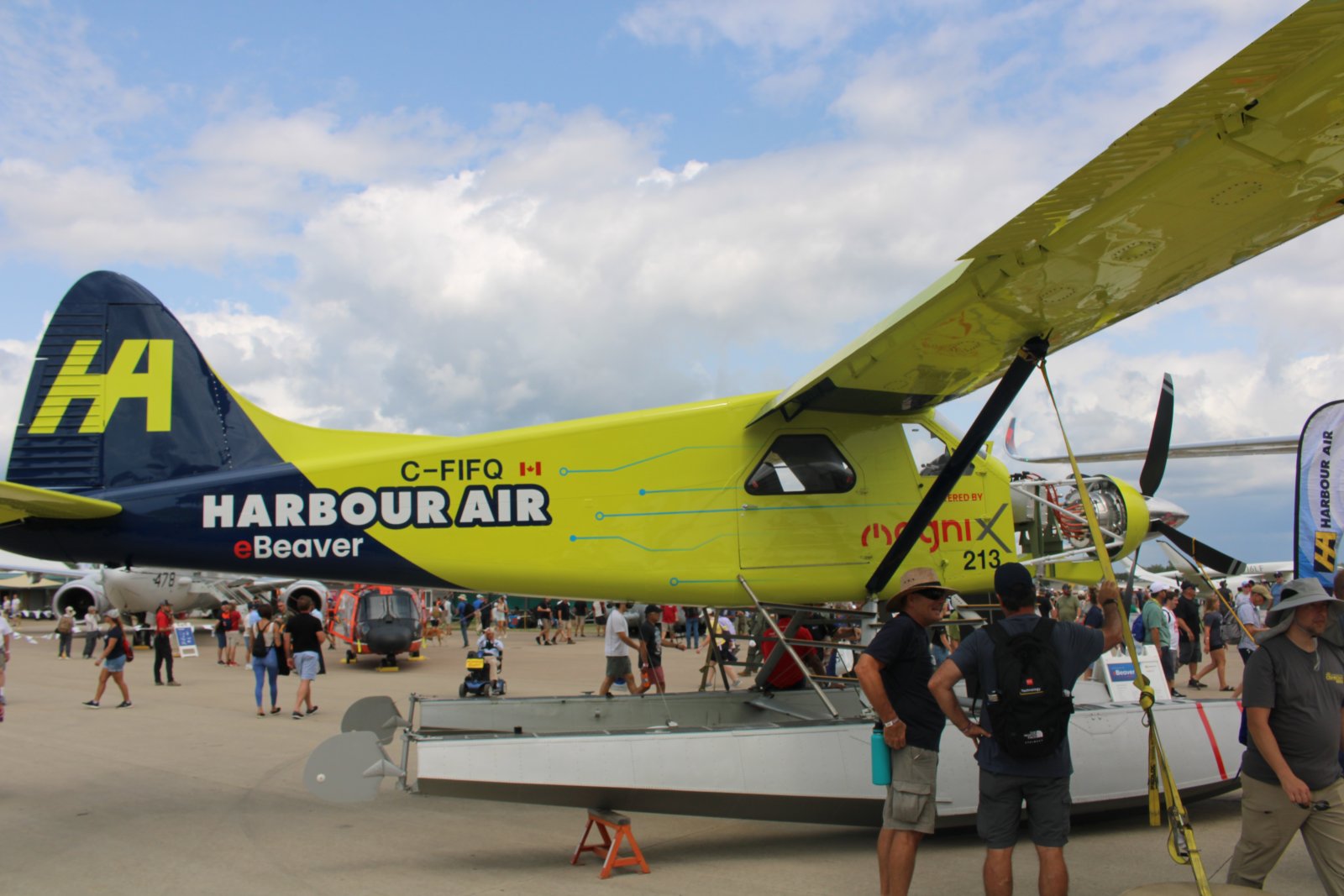
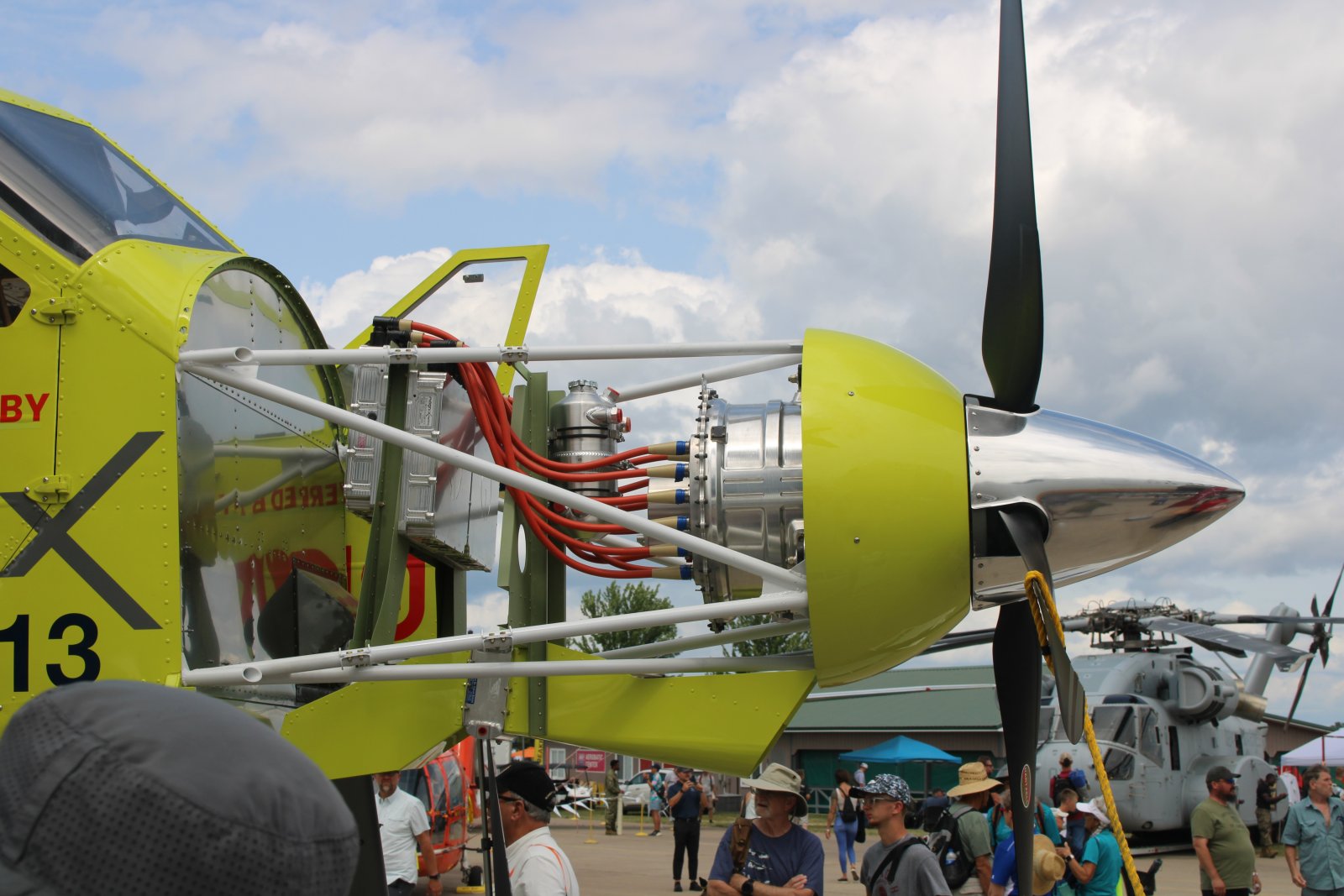
| The famous DeHavilland Beaver on floats with an unusual engine. |
| |
 |
|
|
Yes, it has an electric motor. Charge time is 30 minutes. This Beaver doesn't burn any avgas, but the 70 minutes endurance only provides for a limited range of 105 miles. That won't get you very far in Alaska.
|
| |
 |
|
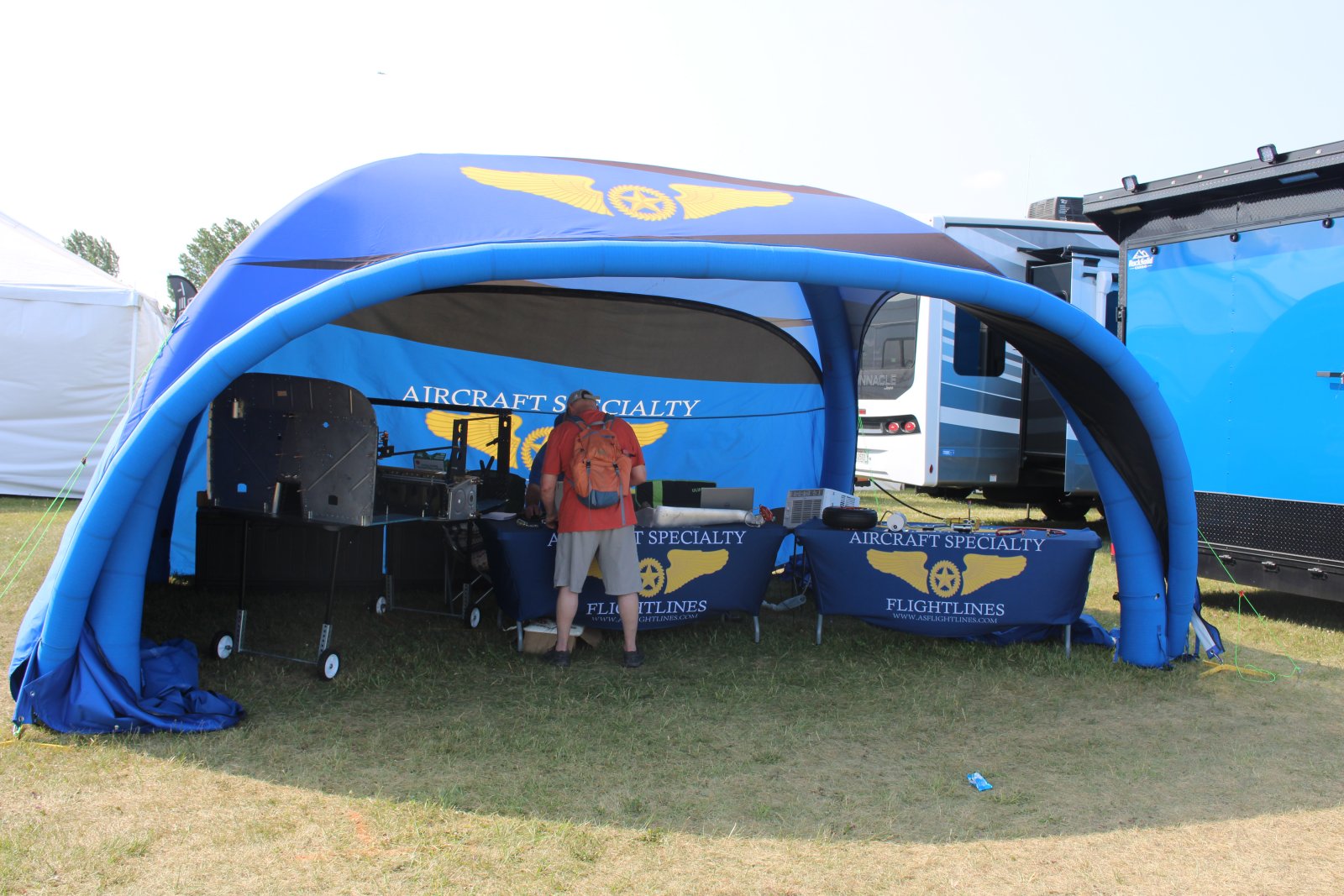
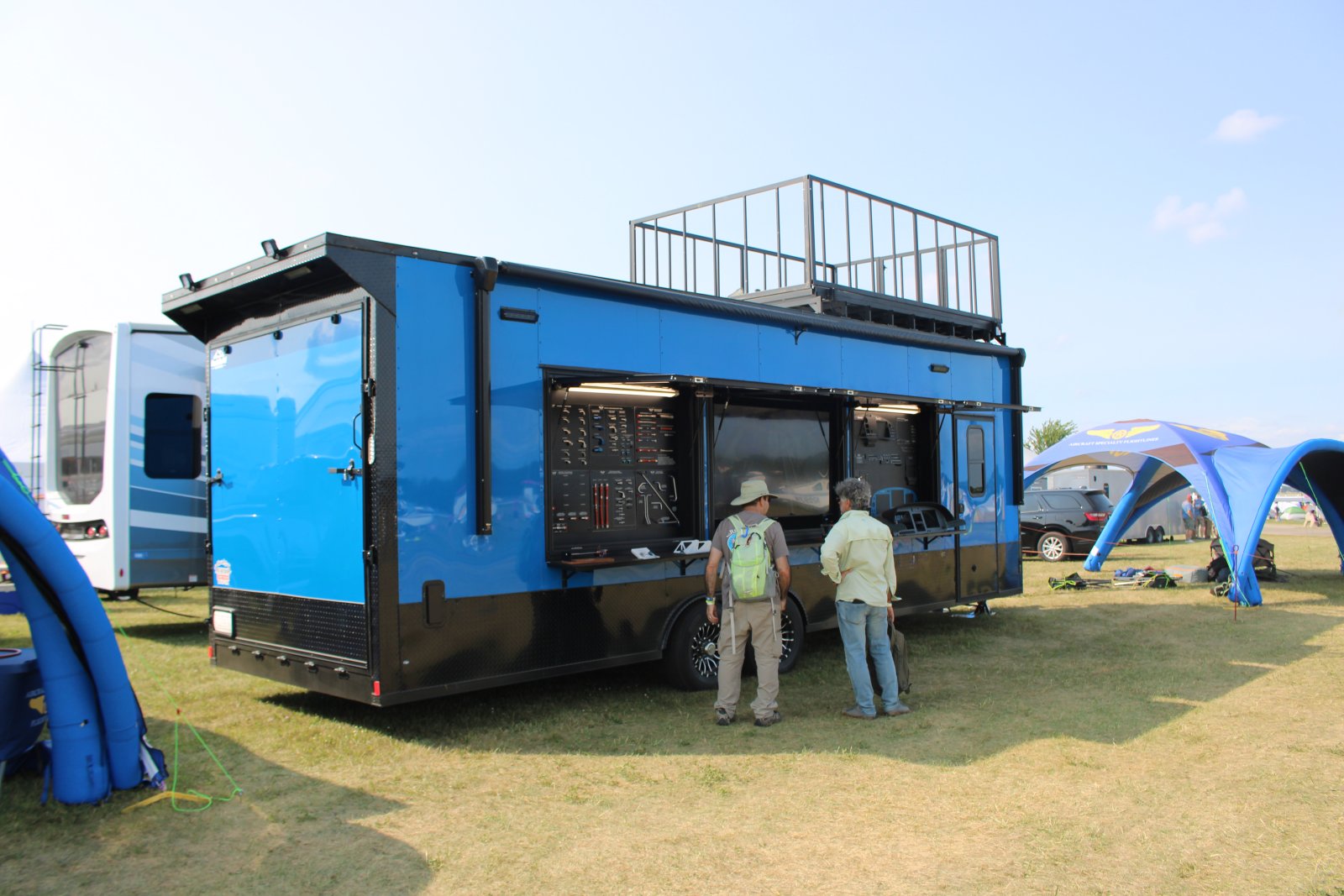
| I was surprised to see a booth for TS Flightlines/Aircraft Specialty in the Light Sport/Ultralight area. |
| |
 |
|
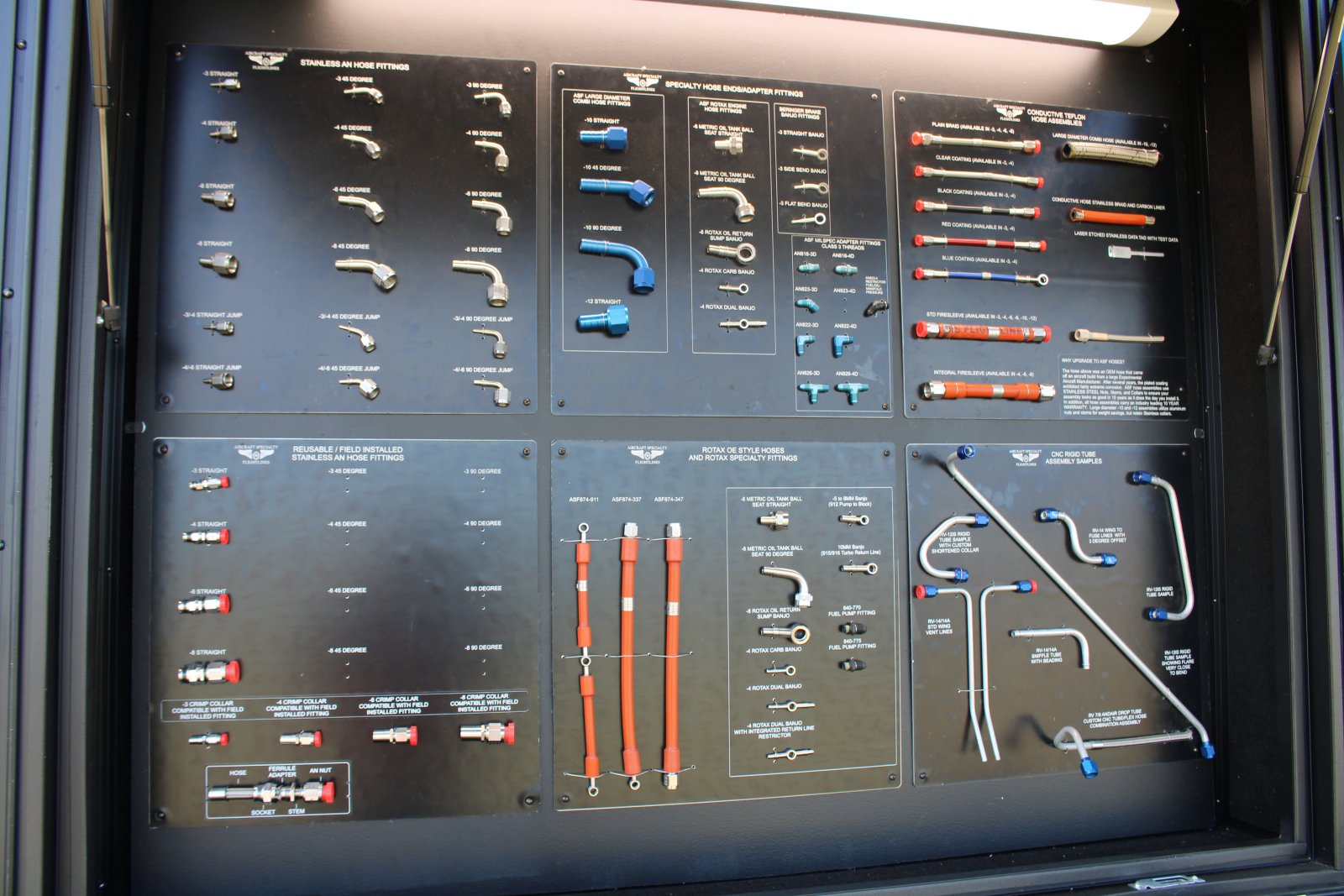
| Tom and Steve at TS Flightlines/Aircraft Specialty have an unusual production facility. Their new 28-foot trailer is a mobile hose fabrication shop with display windows on the sides and a large-screen TV so those outside can watch those inside making aircraft hoses! Hose making requires cutting, crimping, labeling, and testing new high-pressure hoses for oil, fuel, and hydraulic systems. When the pair discovered that they needed more space, they came up with the idea of a mobile shop that can do all of those things. From rolls of raw hose to a finished product, we have seen them produce a hose ordered in the afternoon, have it shipped, and delivered to the customer by the next day. The new trailer is set up so that they can produce hoses anywhere they can park—it has its own power and air conditioning so that they can “boondock” at an airshow, outside an airplane kit company’s facility, or in a parking lot. The quality of these hoses is no different from those created in a fixed shop, so the flexibility afforded by the trailer can be put to use wherever they happen to find themselves—including in the parking lot of their “fixed shop.” The trailer supports their display at shows and eliminates the old problem of tents blowing away (and taking product displays with them) and even provides a nice observation deck on the top. ... Paul Dye, AvBrief |
| |
 |
|
|
I've ordered a lot of hoses from Tom over the years.
|
| |
 |
|
|
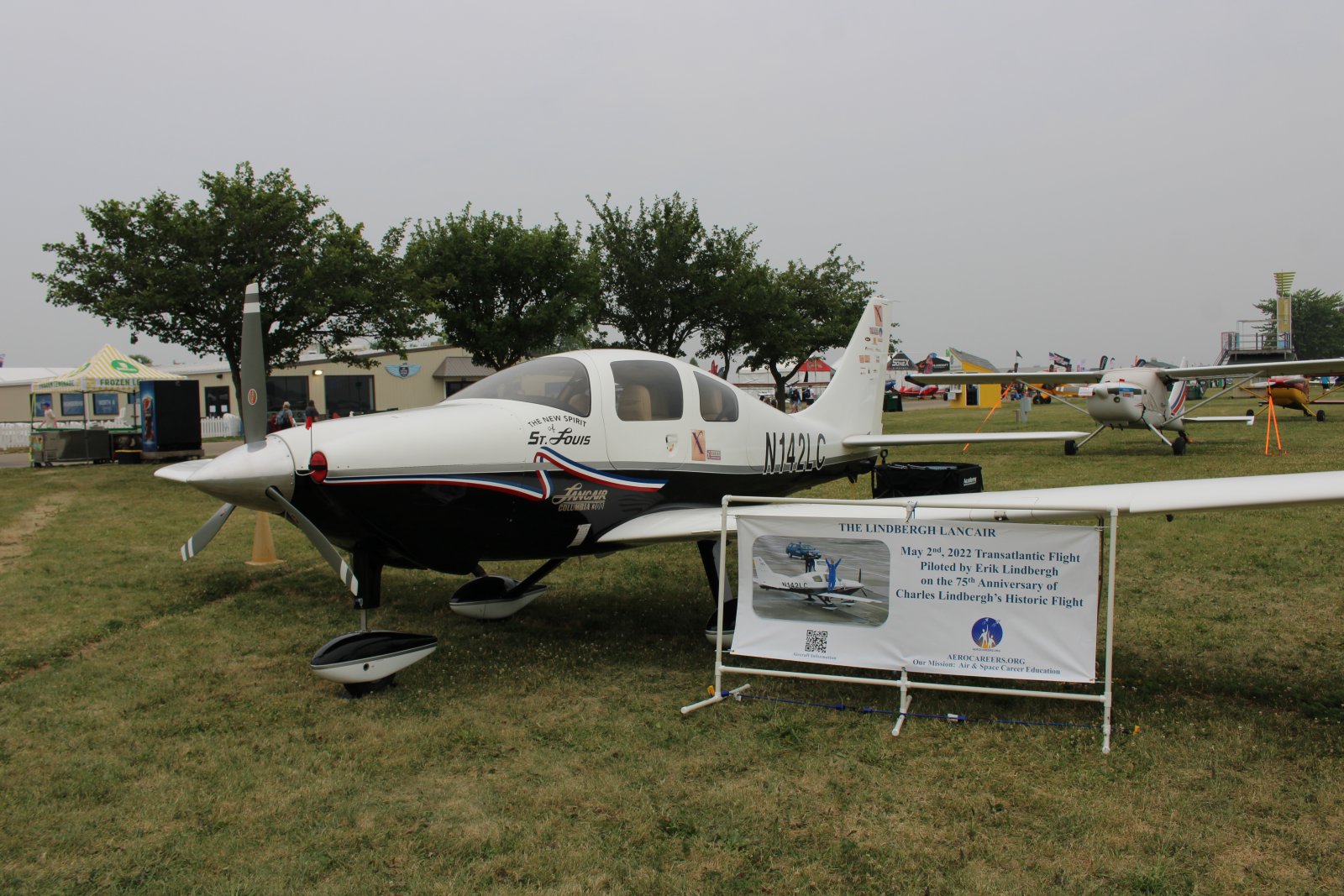
The Lindbergh Lancair modified Columbia 300 that flew the Atlantic on May 1nd, 2002, piloted by Erik Lindbergh. It took Erik 17 hours vice Charles Lindbergh's 33 and 1/2 hours to retrace his grandfather's historic flight.
After the flight, the plane subsequently flew around the country promoting the Lindbergh Foundation and the X PRIZE. Then it sat in the back of a private storage hangar for approximately 14 years. In May 2022, a nonprofit called AeroCareers acquired N142LC and began restoring it to flying condition.
|
| |
 |
|
|
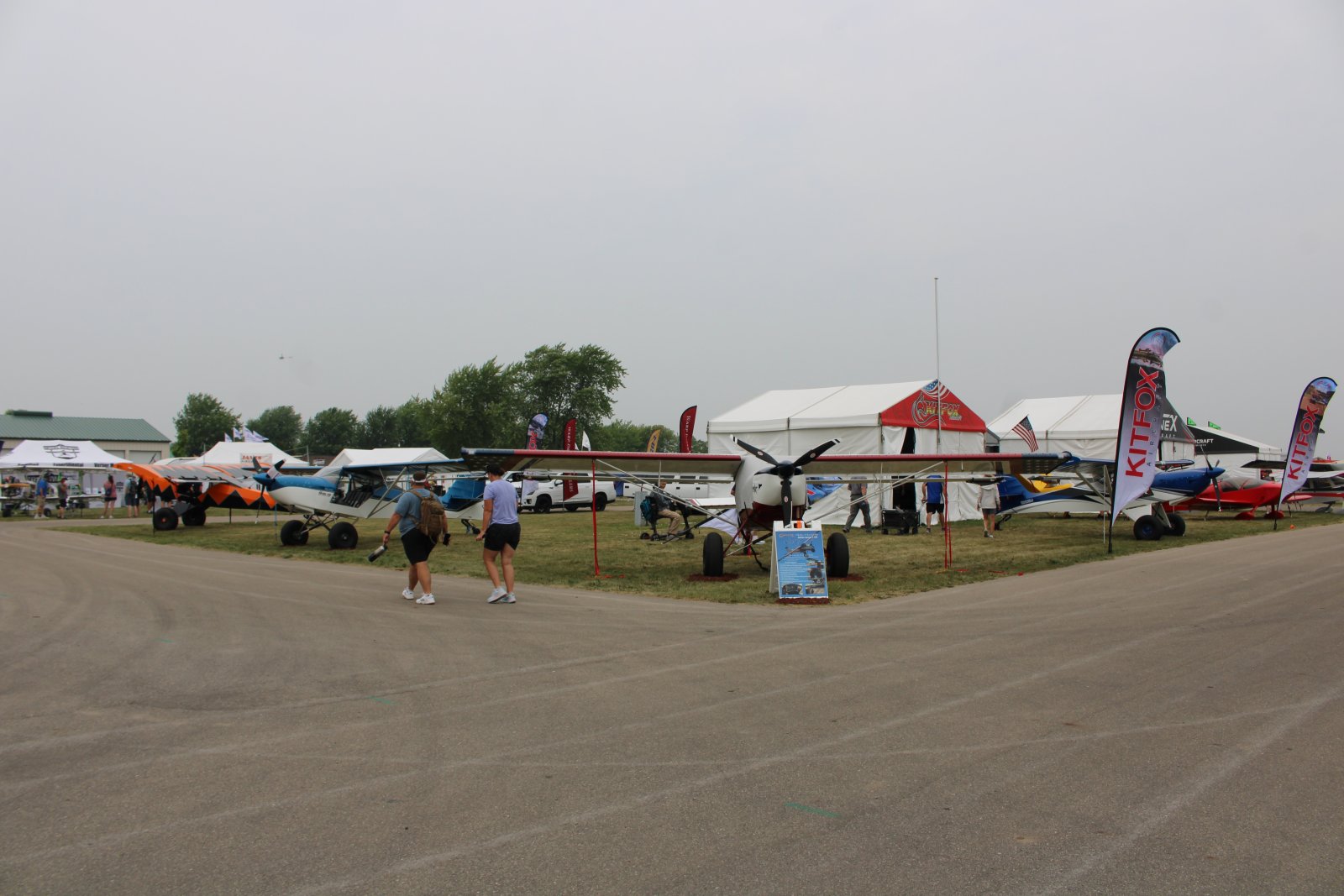
I'm glad to see Kitfox doing wwell.
Kitfox Aircraft LLC is still privately owned and operated by John and Debra McBean in Homedale, Idaho. The McBeans acquired the Kitfox rights from SkyStar in 2006 and have kept the design in continuous production. The company says more than 7,000 Kitfox kits have been delivered to 42+ countries over the life of the design. That's an enormous installed fleet for a light-aircraft kit manufacturer. Kitfox is still actively producing and selling new kits in 2026. The primary aircraft remains the Series 7 Super Sport, with the STi and Speedster configurations providing different emphases.
Trent Palmer's style of flying and outstanding YouTube videos no doubt helped make the Kitfox almost synonymous with backcountry/STOL flying.
|
| |
 |
|
|
I'm also glad to see Sonex still around. As you probably know, on March 27, 2026, Sonex's owner, Mark Schaible, announced that the company was shutting down immediately and preparing for bankruptcy. But within weeks, Stephen Osborne, an aviator and businessman, acquired all of Sonex's assets through his company ON Capital Inc. The deal closed May 1, 2026, just 35 days after the shutdown announcement. The company was relaunched as Sonex Aviation, with the factory in Oshkosh reopened. By June, Sonex said it was shipping kits and parts again and had about 12 employees.
|
| |
 |
|
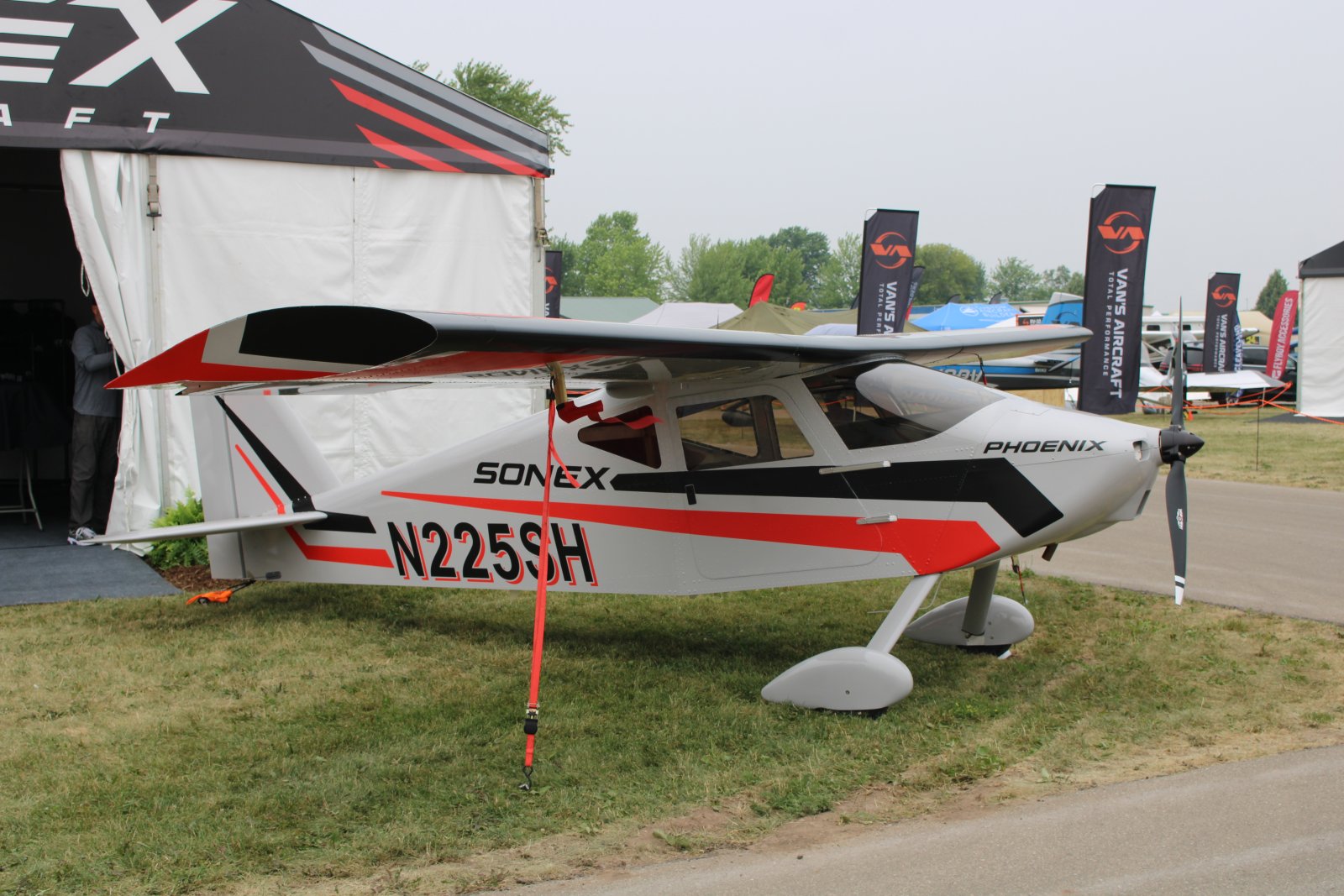
The new Sonex Highwing.
The prototype first flew in June 2025, before the financial collapse. The new owners have continued the program, and flight testing resumed in June 2026.
|
| |
 |
|
|
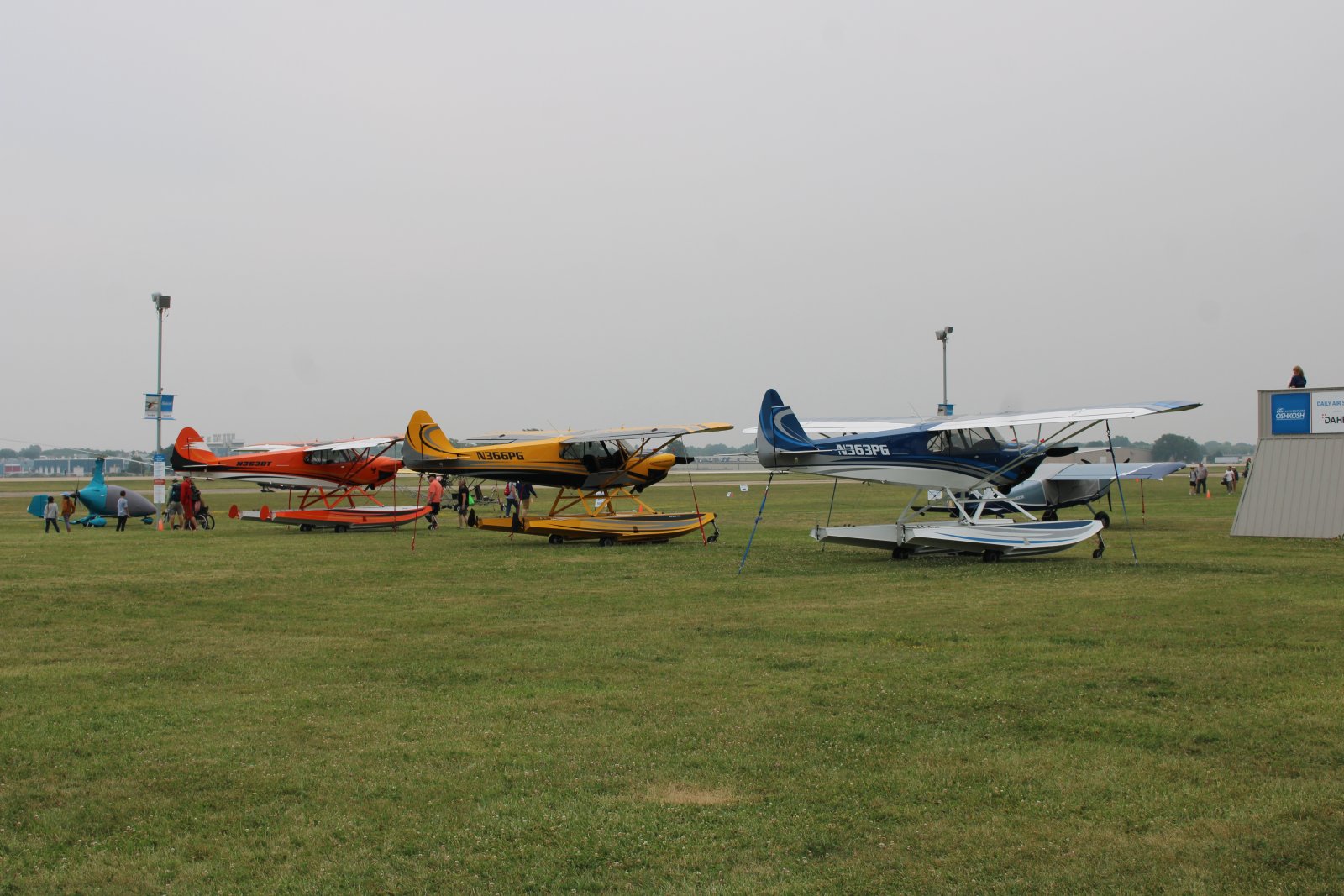
SuperCubs on floats.
|
| |
 |
|
|
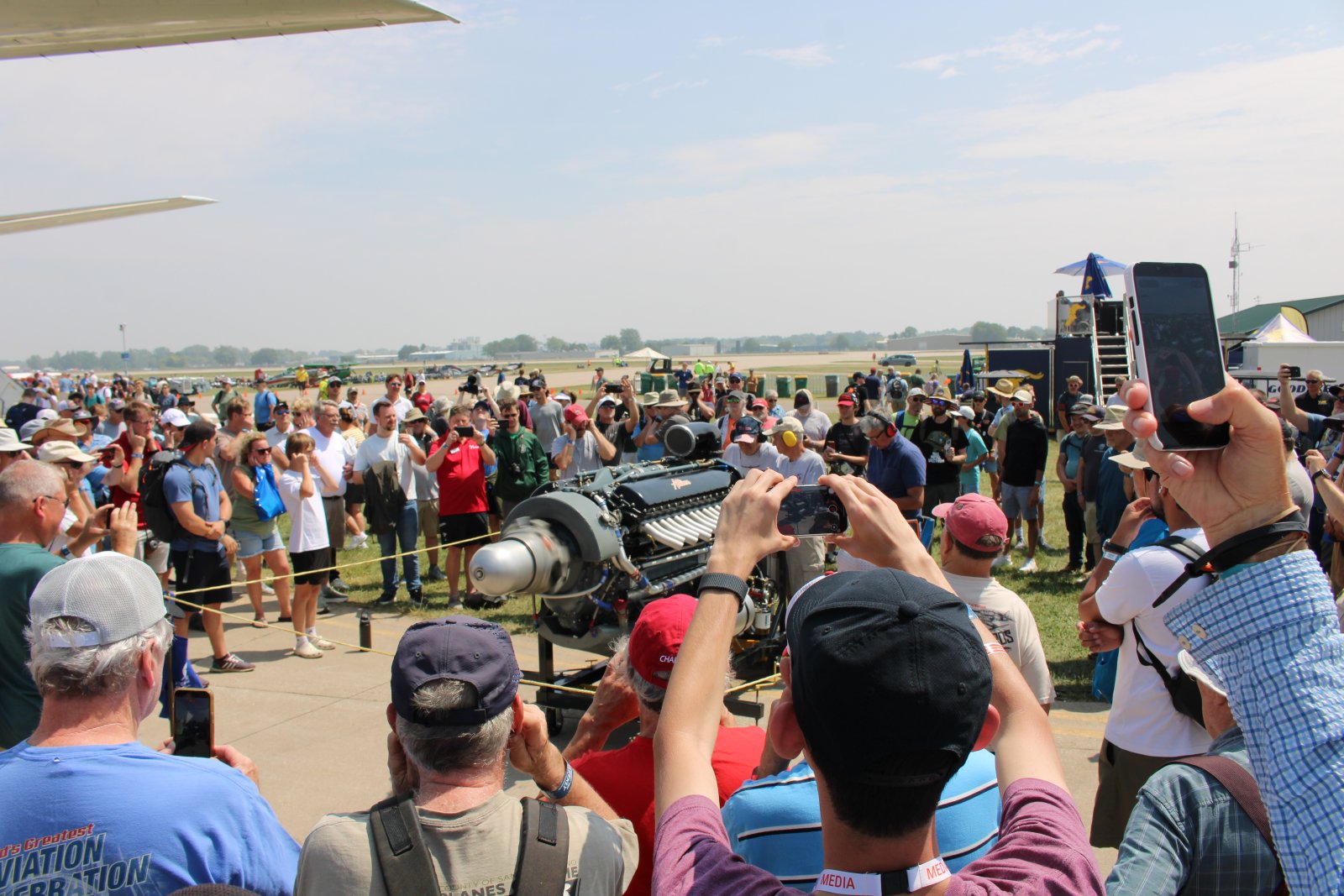
Gearheads swarming to see an Allison V-12 roar.
|
| |
 |
|
|
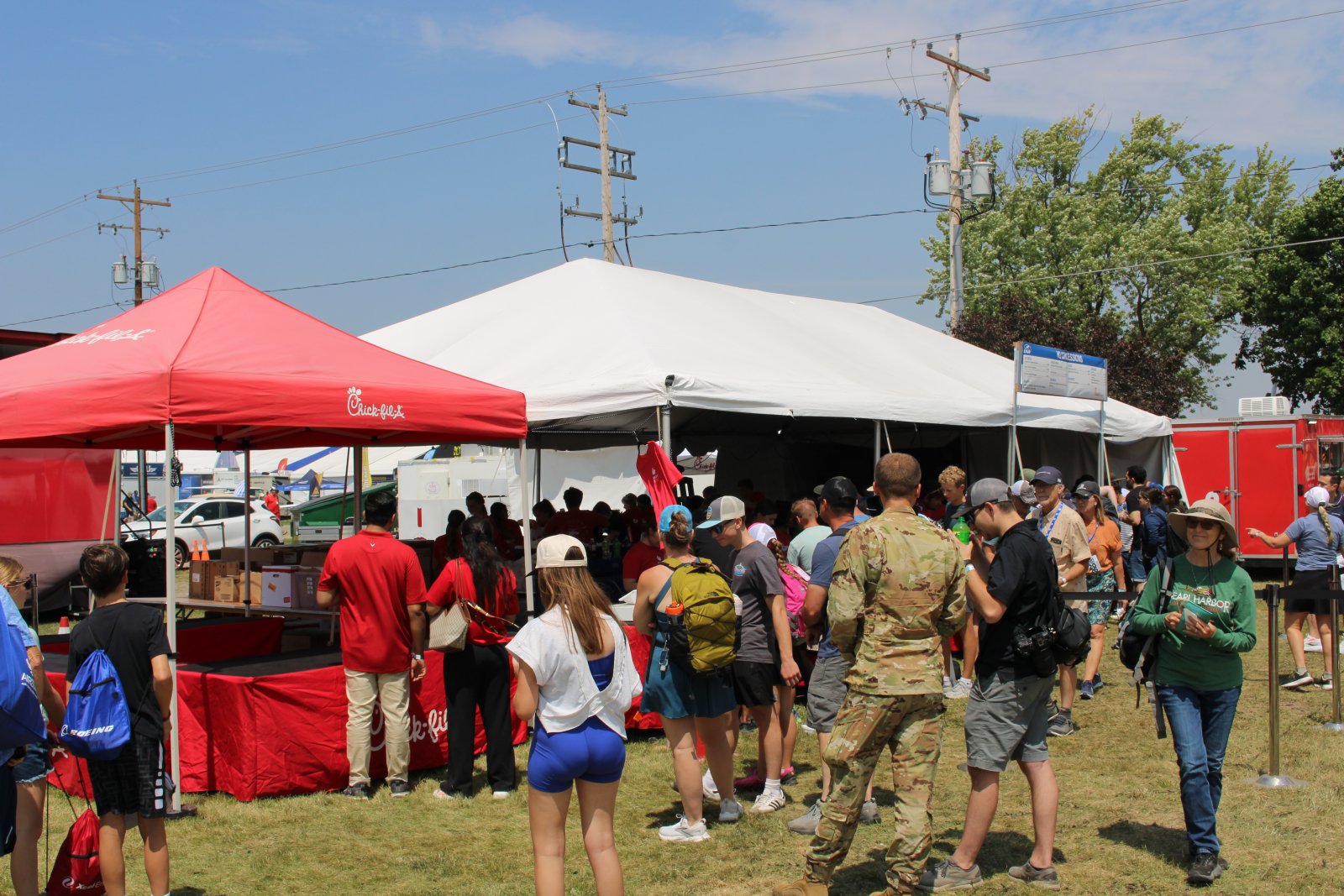
The Chick-fil-A stand was packed, as always. But I felt the need one afternoon and was amazed at how organized and efficient the operation was. Despite the crowd, I had my chicken sandwich, waffle fries and milkshake without too much waiting in line.
|
| |
 |
|
|
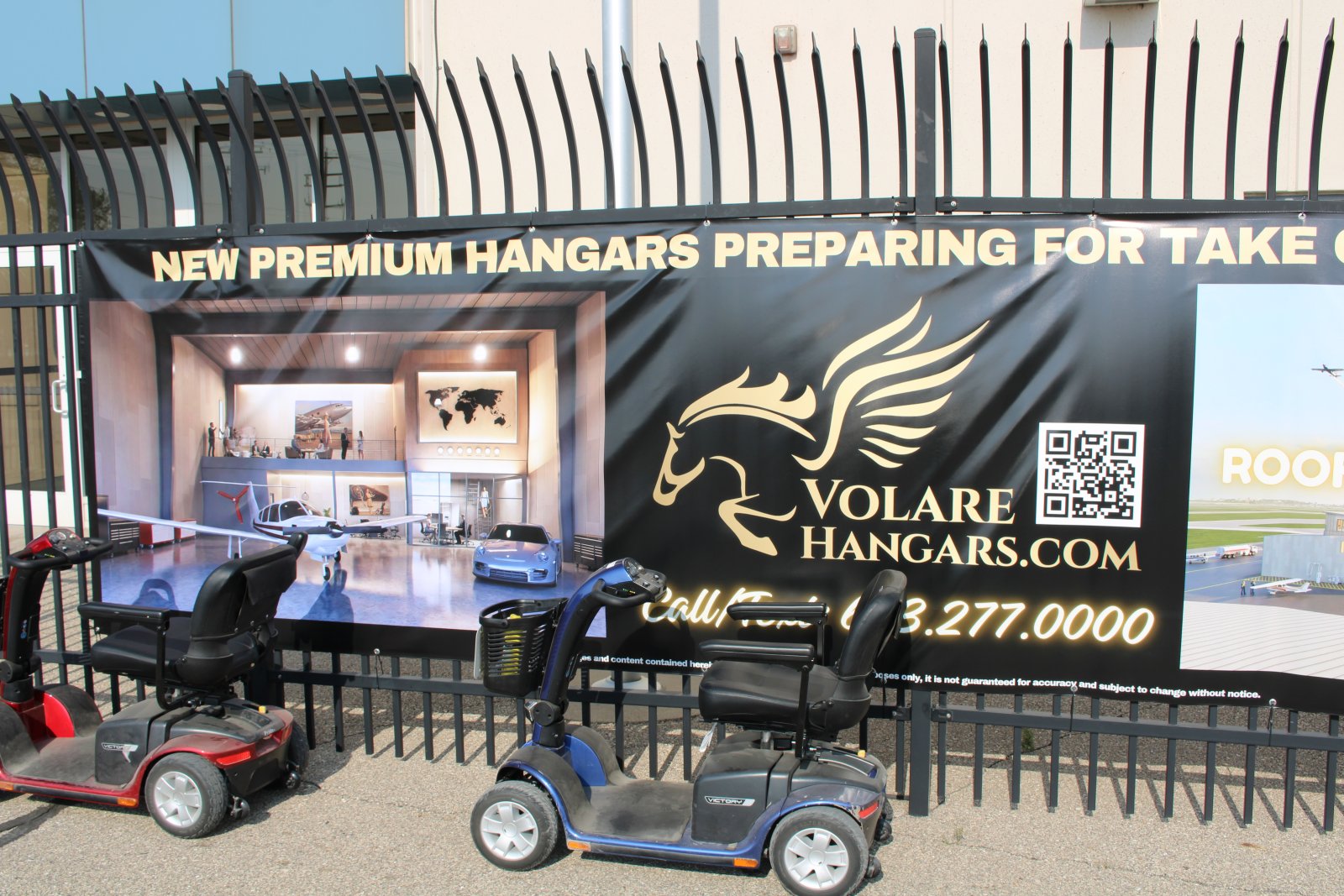
Ah, look at that hangar interior on the left. One can dream, can't they?
|
| |
 |
|
|
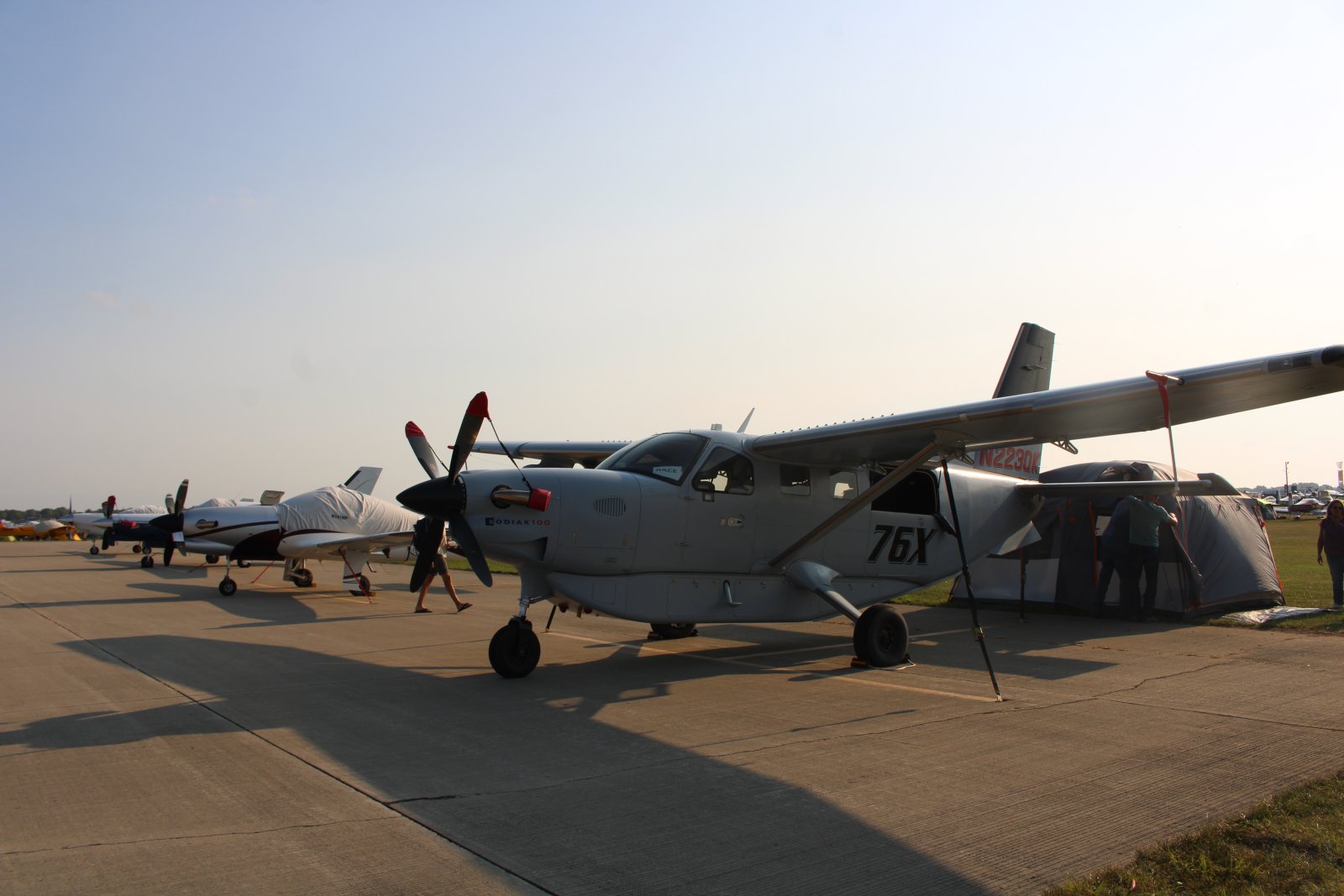
Flying to AirVenture in your turboprop .... nice!
|
| |
 |
|
|
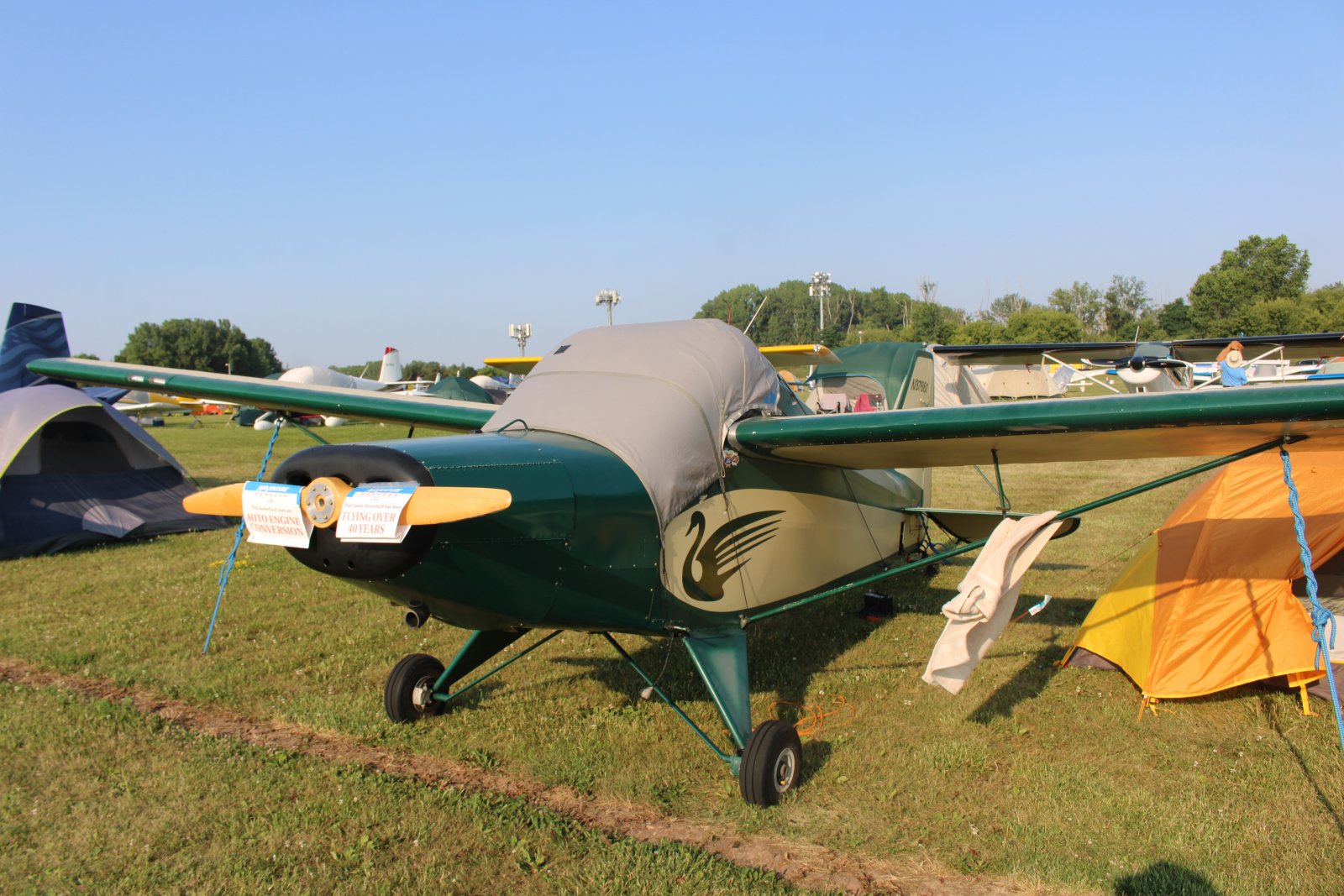
Here's a Viking SF-2A Cygnet. I know the type; a hangar queen Cygnet resided for many years in the Essex Skypark maintenance hangar. An A&P finally bought it, trailered it to his home airport, fixed it up and flew it. He said it was a good flyer.
The Cygnet is one of those wonderfully unusual old homebuilt designs that has largely disappeared from the spotlight—but it's a genuinely clever little airplane. The Cygnet was designed by Bert Sisler in Minnesota. The original airplane was called the SF-2 Whistler, and it first flew in 1973. It won an Outstanding Design Contribution award at EAA Oshkosh that year. Dick VanGrunsven, Molt Taylor and Steve Wittman all flew it and reportedly liked it. Sisler subsequently refined it into the SF-2A Cygnet. Viking Aircraft of Elkhorn, Wisconsin eventually took over the design and continues to offer the plans. More than 100 had been completed and flown by 2003. Paul Dye flew one and described it as essentially Cub-like in its handling qualities, despite its unusual appearance.
It's hard to tell from this picture but the Cyget has a forward-swept wing. The forward sweep isn't just there to make the airplane look different. It puts the wing root farther forward relative to the cockpit and gives the airplane excellent visibility, while the large wing area produces the low-speed performance the designer was after.
This particular homebuilt has been flying over 40 years.
|
| |
 |
|
|
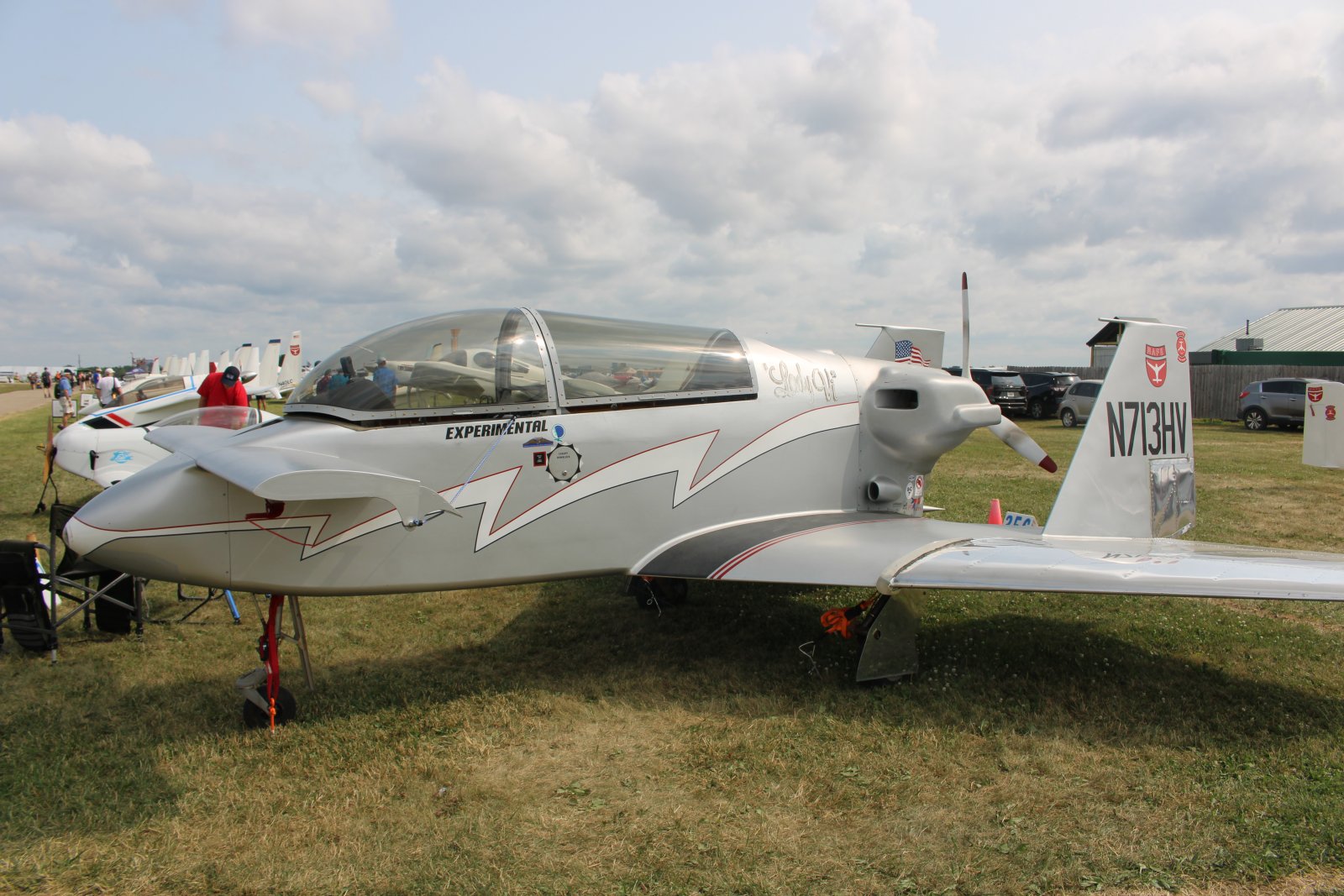
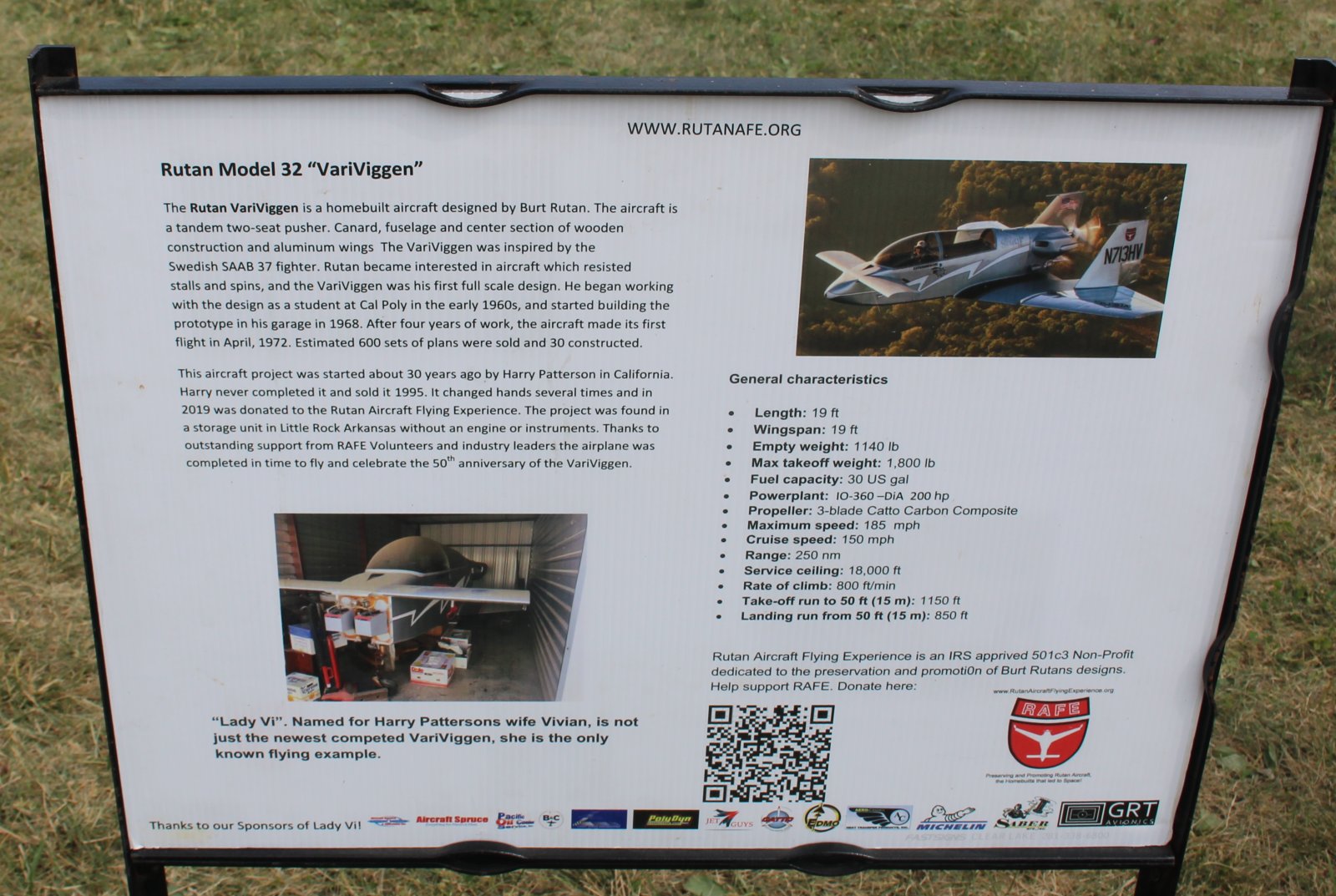
Crazy-looking Rutan Model 32 VariViggen. This is the only known flying VariViggen.
|
| |
 |
|
|
Everything you wanted to know about this VariViggen.
|
| |
 |
|
|
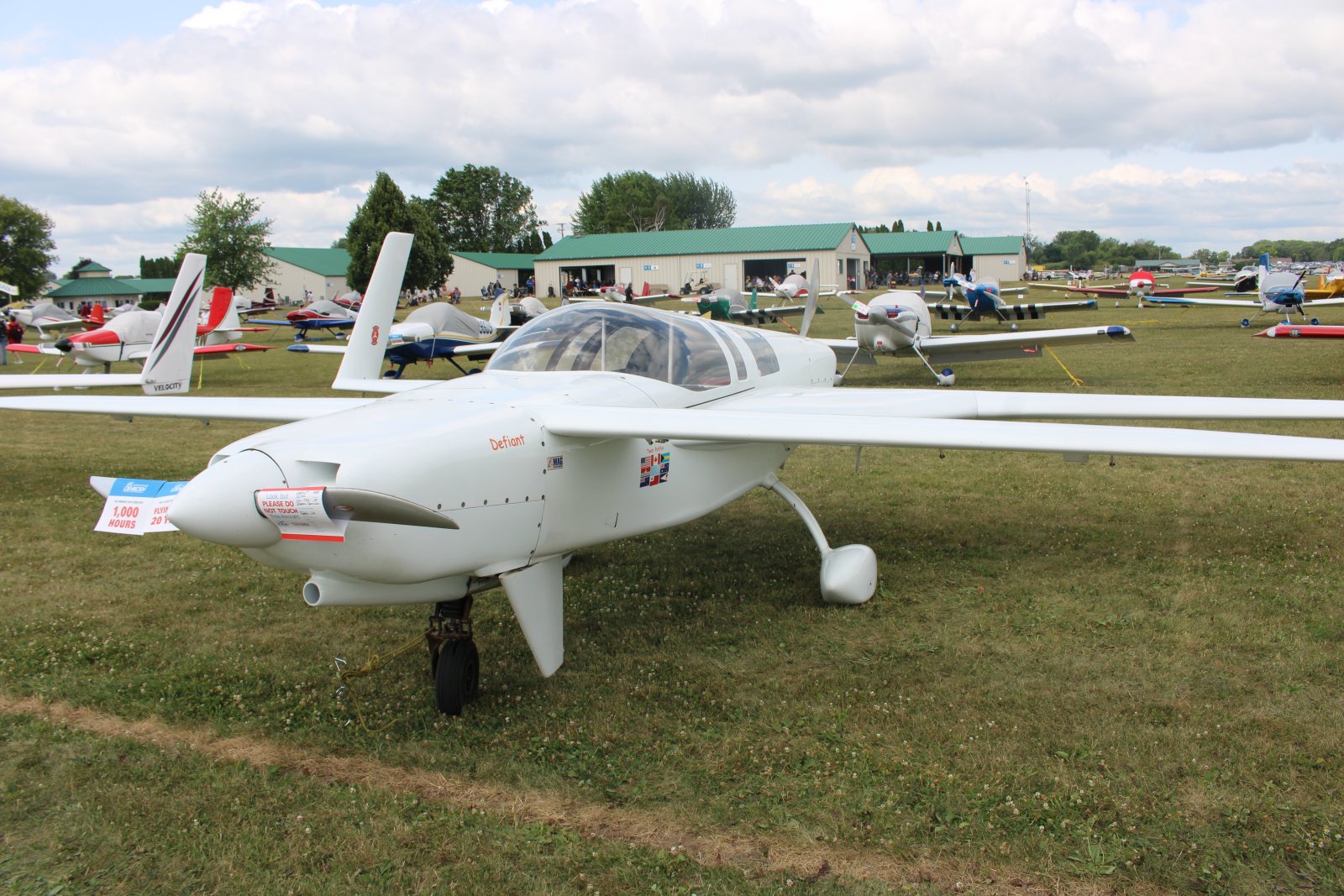
Another Rutan design: the Defiant. Unusually, the Defiant has a ventral, port offset, forward mounted rudder.
|
| |
 |
|
|
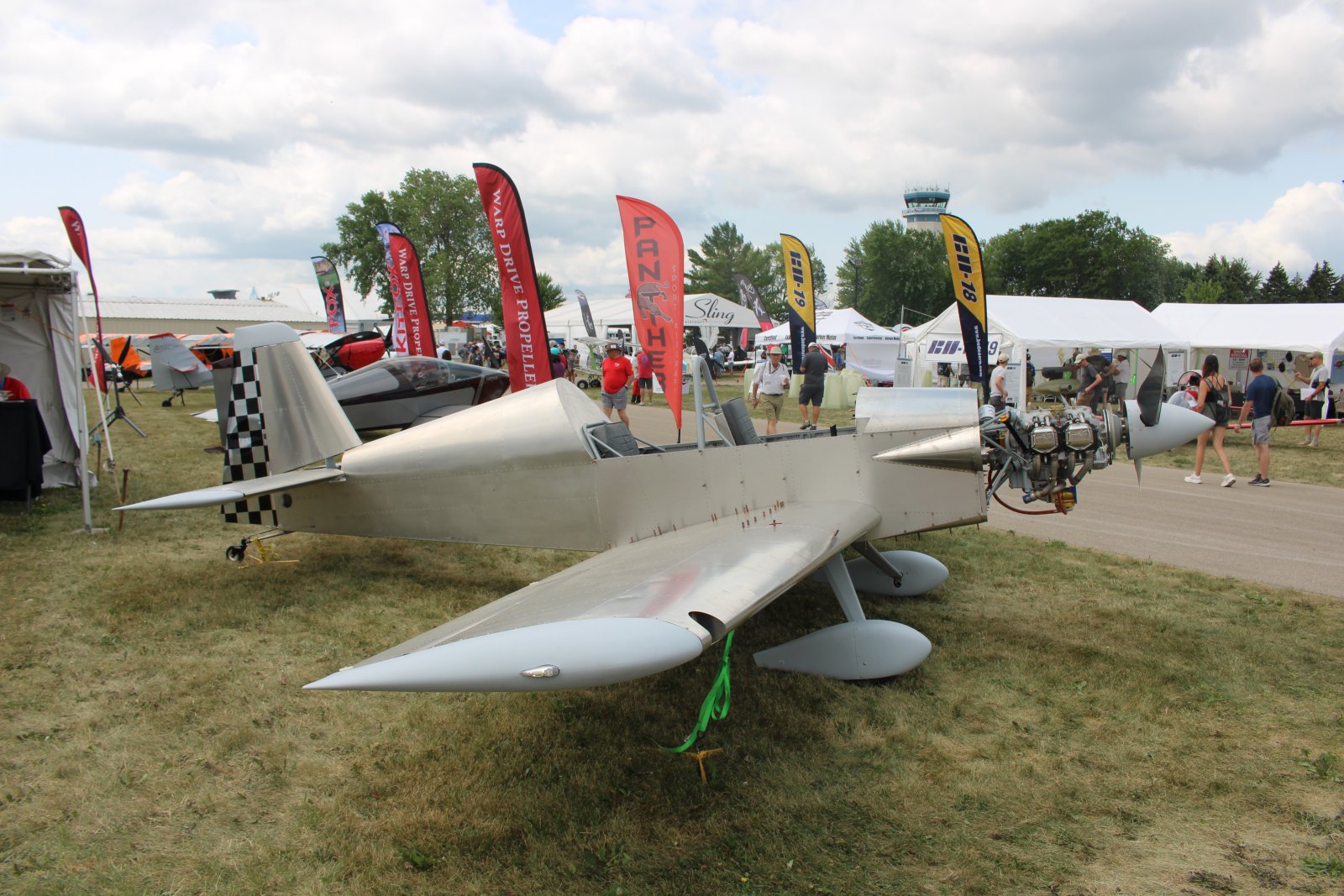
Checking out the Sport Performance Aviation (SPA) booth. Their single-seat Panther design has been around for awhile, first flying in 2013.
Below is an example of their two-seat "Cougar". SPA says the Cougar is finally getting very close to becoming a real kit airplane rather than a long-running promise. That said, a friend of mine wanted to build a Cougar but got tired of waiting around for the kit to be available. He's now building a RV-14.
|
| |
 |
|
|
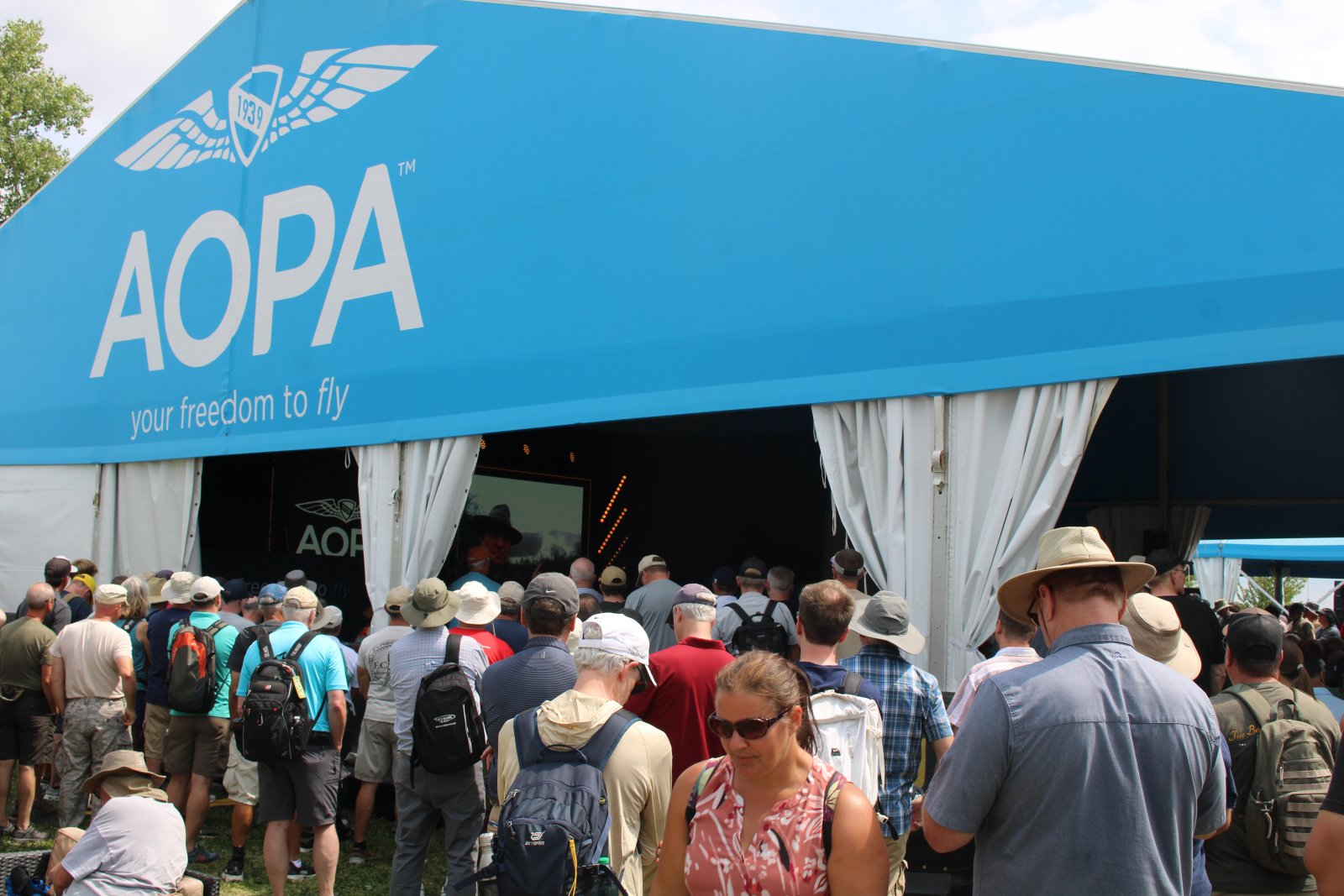
The big AOPA tent is packed for a lecture.
AOPA has also have been having troubles the last year, firing their CEO Darren Pleasance. The decision generated considerable criticism from AOPA members, causing personnel changes in their Board of Trustees, and proposed substantial changes to their By-Laws. There is currently no permanent AOPA president/CEO. There is talk of "rebuilding your trust". Two women currently function as two acting co-presidents and run the day-to-day.
During Phil Boyer's presidency, membership grew from about 300,000 in 1991 to approximately 415,000 when he departed in 2008. AOPA passed 400,000 for the first time in 2004 and increased from there, peaking at roughly 415,000 members around 2009–2010. Then began a substantial decline, settling around 300,000 by the mid-2010s. It has remained roughly at that level ever since. Tellingly, AOPA stopped disclosing its membership levels in the early 2010s. However, it should be noted that the overall U.S. pilot population has declined dramatically since its peak as well. Obviously AOPA's membership pool is drawn from that shrinking population.
|
| |
 |
|
|
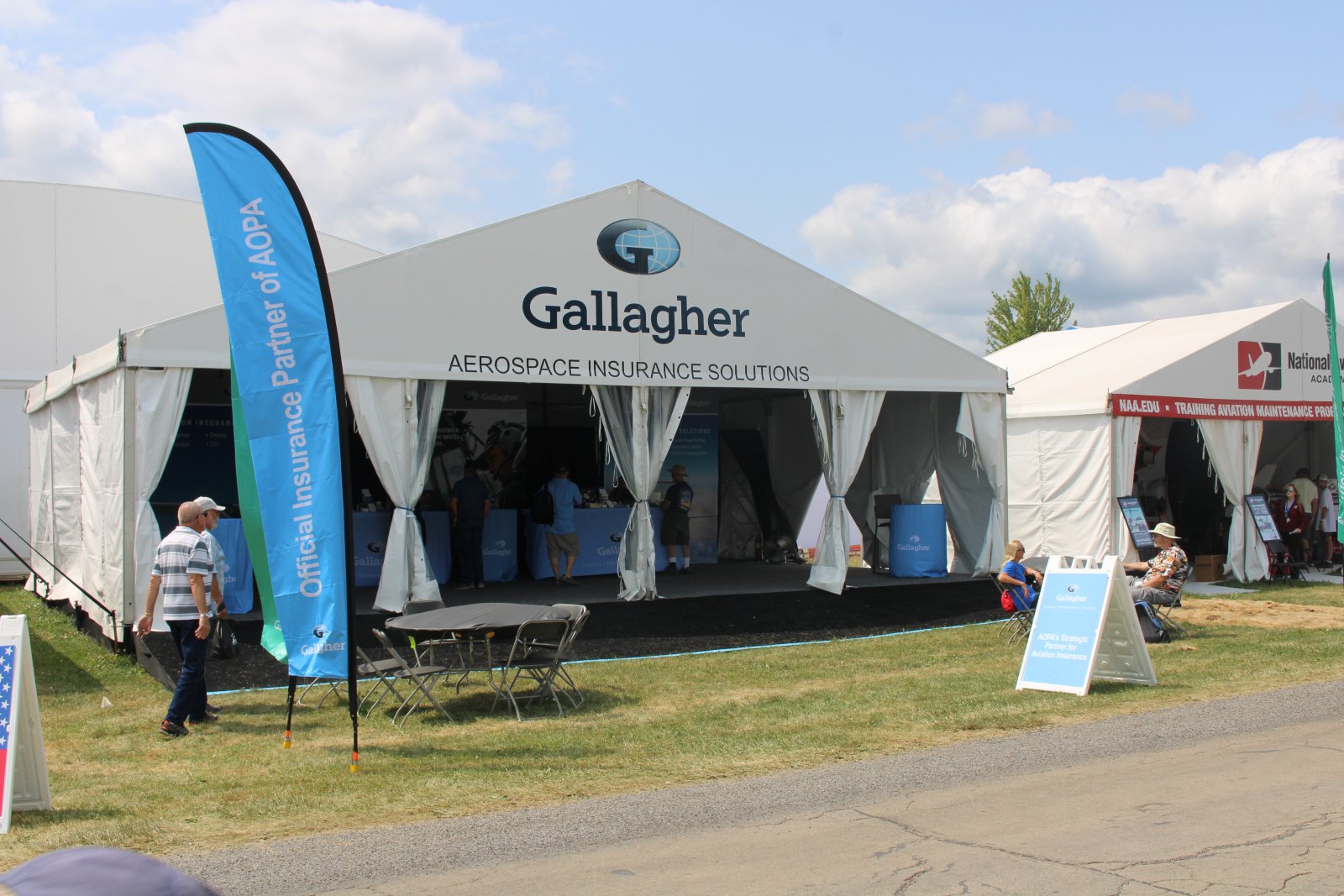
I've given these folks a lot of business over the years!
|
| |
 |
|
|
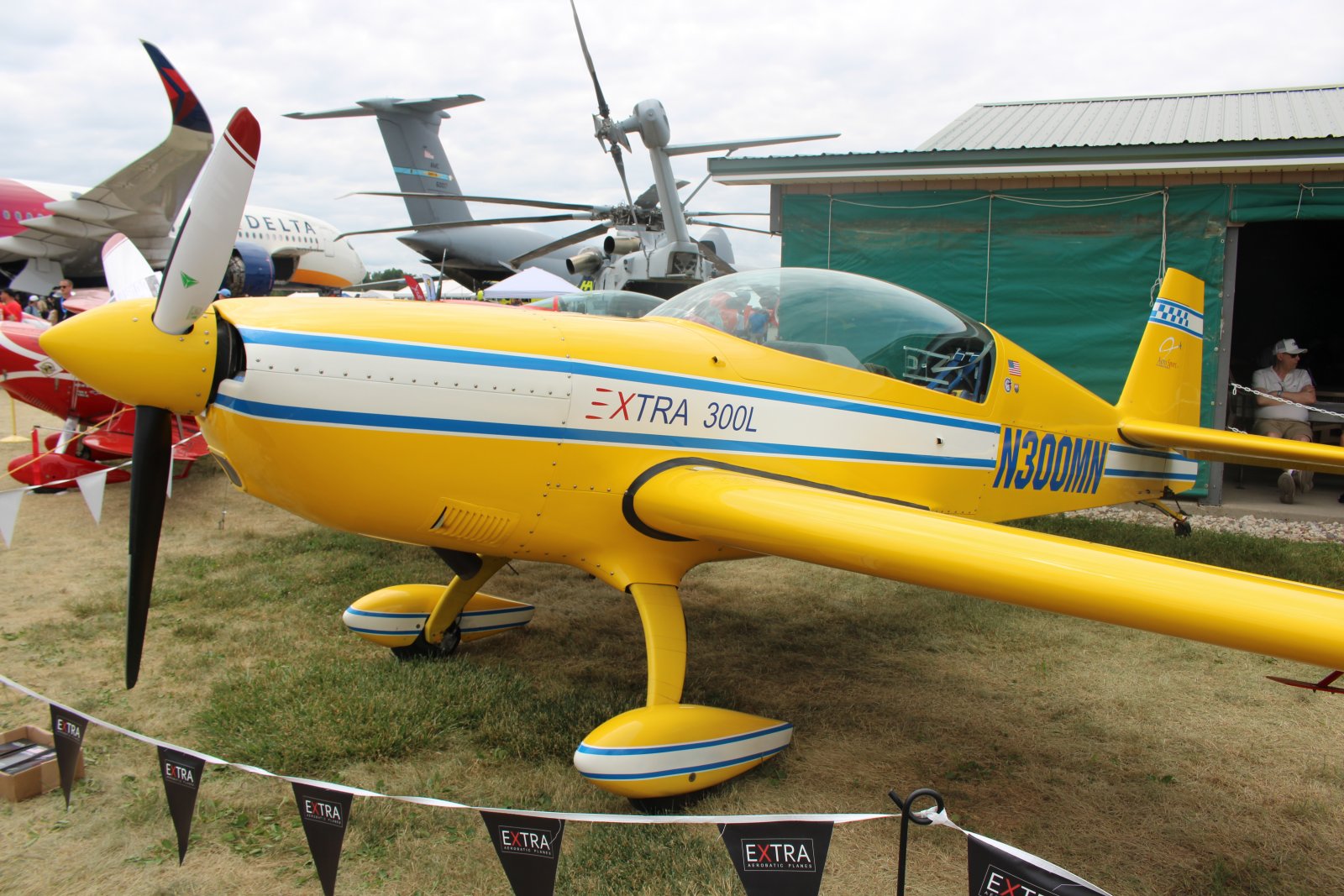
I sure wouldn't mind having one of these!
|
| |
 |
|
|
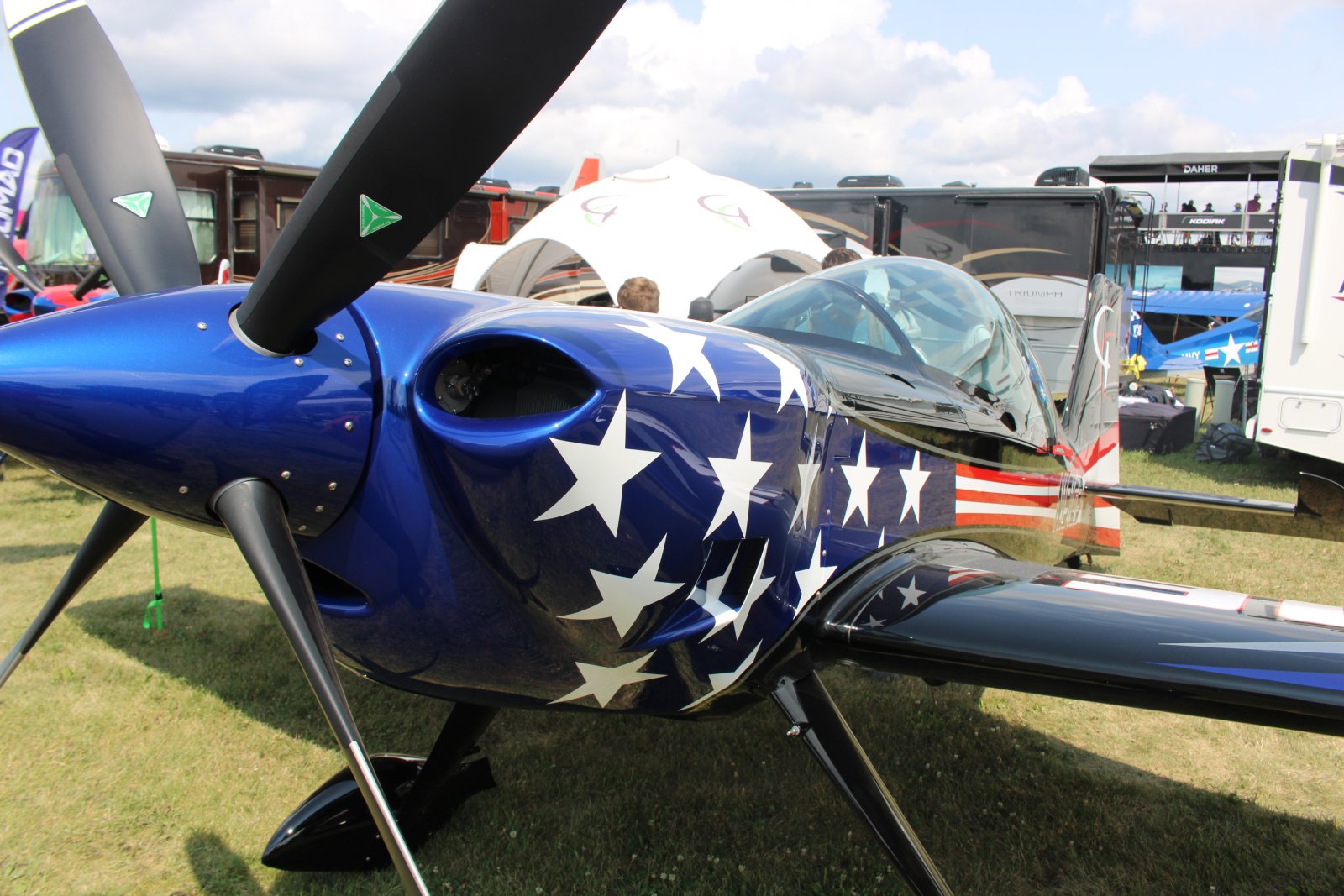
Like the paint job!
|
| |
 |
|
|
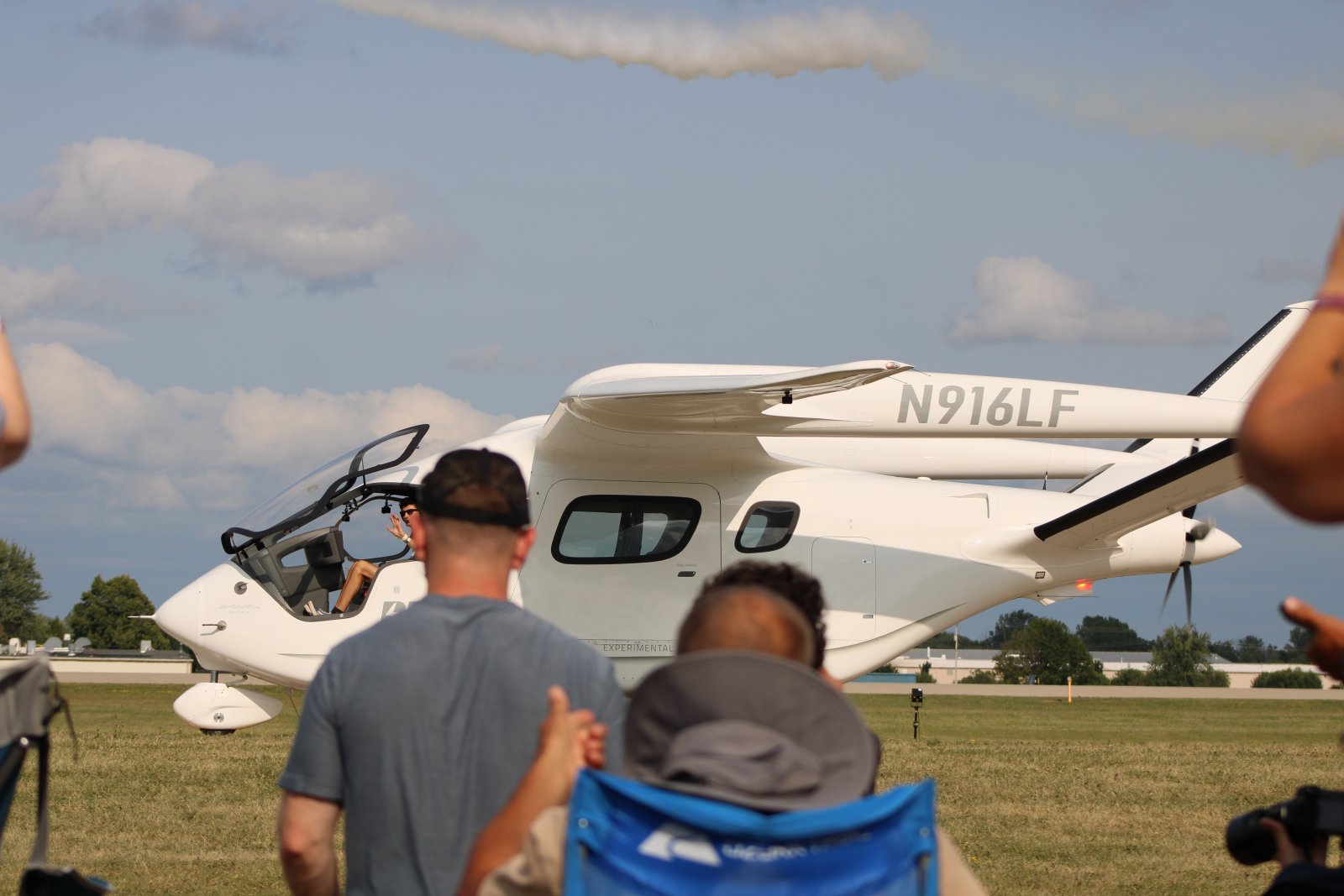
A BETA 916LF Aircraft, conventional takeoff-and-landing, all-electric airplane. In 2025, BETA flew it more than 8,000 nautical miles across 25 states, visiting dozens of airports and demonstrating both the airplane and BETA's rapidly expanding charging network. BETA has demonstrated an ALIA CTOL flight of 336 nautical miles on one charge. That's obviously not comparable to the endurance of an O-360-powered RV-7, but it demonstrates that the aircraft is moving well beyond the "electric trainer that flies for 30 minutes" stage. Capacity for one pilot plus up to five passengers,
|
| |
 |
|
| |
| |
|
|
|
|
|
|